Best Grain Destoner Machine for Efficient Grain Processing?
In the modern agricultural sector, the efficiency of grain processing directly impacts profitability. A Grain Destoner Machine plays a crucial role in this process. It effectively removes impurities like stones, soil, and various contaminants. According to industry reports, up to 10% of grain losses can occur due to inadequate cleaning methods. This highlights the need for reliable equipment.
Recent studies indicate that the global grain processing market is expected to grow by over 5% annually. This growth is driven by increasing demand for high-quality grain products. Utilizing an advanced Grain Destoner Machine can significantly enhance product purity. However, not all machines are created equal. Manufacturers must ensure their equipment meets stringent quality standards to maximize efficiency.
The introduction of smart technology in grain destoning is a double-edged sword. While it offers significant advancements, it also raises concerns about maintenance and operational complexity. Choosing the right Grain Destoner Machine requires careful evaluation. Potential buyers should consider both innovative features and reliability, reflecting on both short-term benefits and long-term performance.
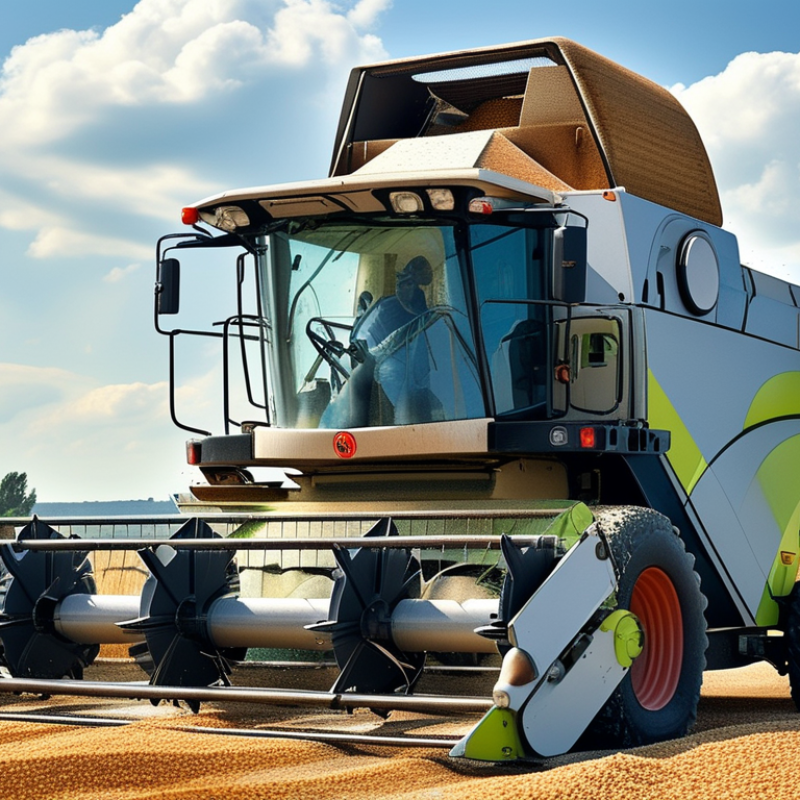
Types of Grain Destoner Machines Available on the Market
When selecting a grain destoner machine, understanding the types available is crucial. Grain destoners help separate lighter impurities from valuable grains. Different designs cater to various processing needs. Some machines use vibrating tables for gentle separation. This design effectively removes stones while minimizing grain loss.
Another type features air-flow systems. These systems utilize upward air currents to lift lighter contaminants. They perform exceptionally well with crops like rice and wheat. Additionally, some machines combine mechanical and air separation techniques. This hybrid approach offers higher efficiency, yet it can complicate maintenance.
However, not all machines are flawless. Some may require frequent adjustments to ensure optimal performance. It’s essential to choose a model that fits your specific grain types and processing volume. Overlooking these factors can lead to inefficiencies. Proper research is vital to avoid costly mistakes in your grain processing operations.
Key Features to Consider in a Grain Destoner
When selecting a grain destoner machine, a few critical features should guide your decision. One aspect to consider is the separation efficiency. Quality machines can remove stones and impurities with an efficiency above 98%. This performance is essential, as even minor contamination can affect overall product quality. According to a recent industry report, the efficiency of grain processing can directly influence marketability and yield, making this attribute non-negotiable.
Another significant feature is the machine's capacity. High-capacity models can process up to 5 tons of grain per hour. This leads to better productivity and less downtime. However, a larger capacity does not always mean better performance. It’s crucial to ensure the machine maintains its separation efficiency at higher volumes. Users often report challenges in balancing speed and quality in larger setups. This highlights the need for careful consideration when evaluating options.
Flexibility is also vital. Many modern machines are designed to handle various crop types, from wheat to rice. This adaptability can save businesses time and money in the long run. Maintenance factors, such as ease of cleaning and durability, should not be overlooked either. Regular maintenance can prevent significant downtime, but some designs make this process complicated. Finding a solution that balances user-friendliness with effective cleaning protocols is key.
How Grain Destoners Improve Processing Efficiency
Grain destoners are essential for improving efficiency in grain processing. These machines effectively remove stones and other impurities, ensuring higher quality output. According to recent studies, nearly 20% of grain losses in processing stem from contamination by foreign materials. This highlights the importance of implementing advanced destoning technology.
The efficiency of grain destoners lies in their ability to separate heavier stones from lighter grains using air pressure and vibration. Reports indicate that facilities using modern destoning equipment can achieve up to 95% efficiency in impurity removal. This translates to reduced waste and improved product purity, which is critical for customer satisfaction.
However, not all destoners are created equal. Some machines may struggle with specific grain types or processing capacity. Facilities must assess their needs carefully. Investing in the right destoning technology is crucial, as it impacts overall processing quality. Grain processors often face challenges in balancing equipment cost with efficiency gains. Continuous evaluation of equipment performance can lead to better operational decisions.
Maintenance Tips for Optimal Performance of Grain Destoners
Maintaining a grain destoner machine is crucial for ensuring optimal performance. Regular cleaning is essential to prevent the buildup of dust and debris. Consider a schedule that addresses this need to maintain efficiency. Parts such as screens and air channels should be checked frequently. Wear and tear can affect the machine's function, so early detection is important.
Another vital maintenance tip involves monitoring the calibration. Accurate setting of the destoning parameters enhances separation performance. Operators should routinely verify the airflow and vibration levels. An incorrect setup could lead to poor results, reflecting in grain quality. Operators should be aware that minor adjustments may be needed as conditions change.
Don't overlook the importance of staff training. Operators who understand the mechanics of the machine can address minor issues immediately. However, relying solely on training is a mistake. Unexpected problems can arise, and having a solid maintenance plan is necessary. By combining knowledge with a proactive approach, the machine's longevity improves significantly. Regular maintenance checks also provide opportunities for reflection on operation practices.
Comparative Analysis of Popular Grain Destoner Brands
The grain processing industry relies heavily on destoners for quality assurance. These machines remove stones, dirt, and other impurities from grains, enhancing product purity. According to market research, a reliable grain destoner can increase processing efficiency by up to 30%. This efficiency leads to significant cost savings and improved product quality.
When selecting a destoner, brands vary in performance. Some excel in specific grain types, while others maintain versatility. A comparative analysis highlighted that some destoners achieve higher separation accuracy. Mechanical design influences effectiveness. Advanced models utilize air pressure and vibration to maximize impurity removal. This versatility makes certain brands more suitable for diverse grain processing needs.
Tips: Regular maintenance ensures optimal performance. Dust and dirt can accumulate in the machine, affecting efficiency. Operators should calibrate settings based on the grain type processed. Understanding the unique properties of each grain is essential. This knowledge helps in selecting the right destoner model. These insights can aid in making informed purchasing decisions.