Best Commercial Washer and Dryer Options for Your Business?
In today’s competitive market, selecting the best commercial washer and dryer is crucial for businesses. According to the American Coin-Op Industry report, nearly 60% of laundromat owners prioritize efficiency and durability in their equipment choices. Yet, many still underestimate maintenance costs, impacting long-term operations.
Expert John Smith, a consultant in the laundry industry, emphasized, "Investing in robust commercial washer and dryer systems pays off over time." This insight highlights the importance of balancing upfront costs with future expenses. However, some businesses often focus solely on the initial purchase price, neglecting the value of energy-efficient models.
Moreover, with advancements in technology, today's commercial washers and dryers offer smart features. These can significantly enhance productivity. Still, many operators are reluctant to adapt to these changes, reflecting a broader challenge in the industry. It’s essential to consider both the initial investment and ongoing operational costs. Only then can businesses optimize their laundry services and maximize profitability.
Best Commercial Washer and Dryer Options for Different Business Needs
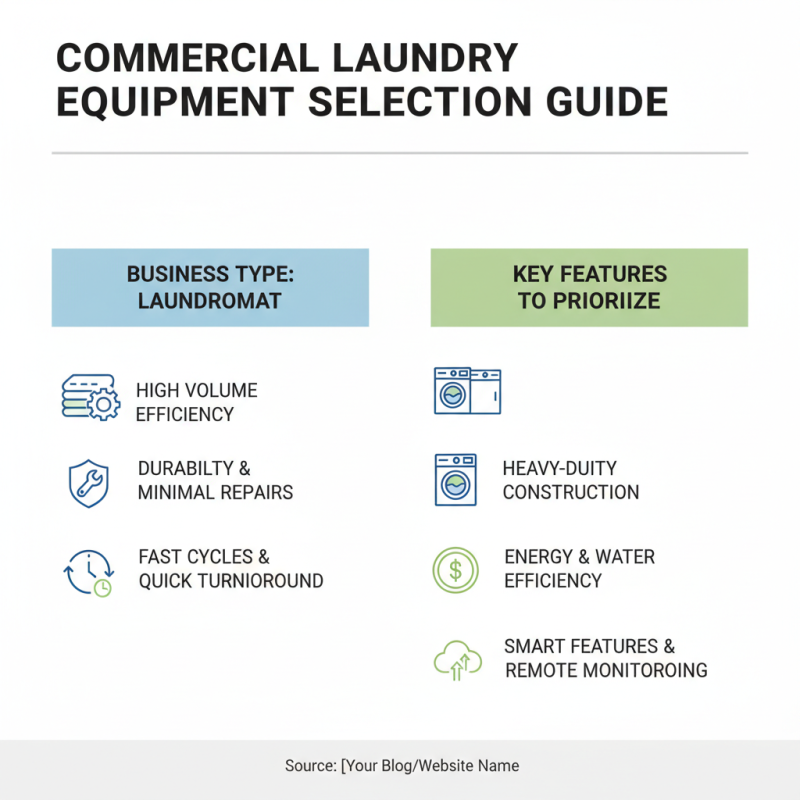
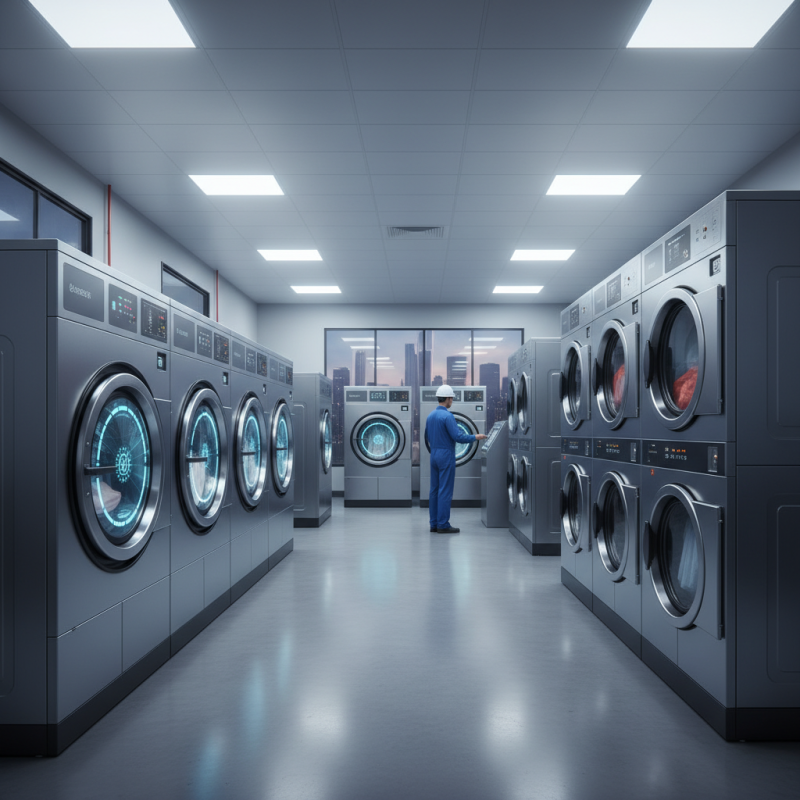
When selecting the best commercial washers and dryers, different business needs must be prioritized. Laundromats require machines that can handle a high volume of laundry efficiently. That calls for durable models that run smoothly and require minimal repairs.
On the other hand, hotels and restaurants may need machines that accommodate larger loads but also fit within smaller spaces. It’s essential these appliances offer flexibility in cycles and temperature settings. Investing in energy-efficient models can also help in reducing long-term costs, making it easier to manage utility bills.
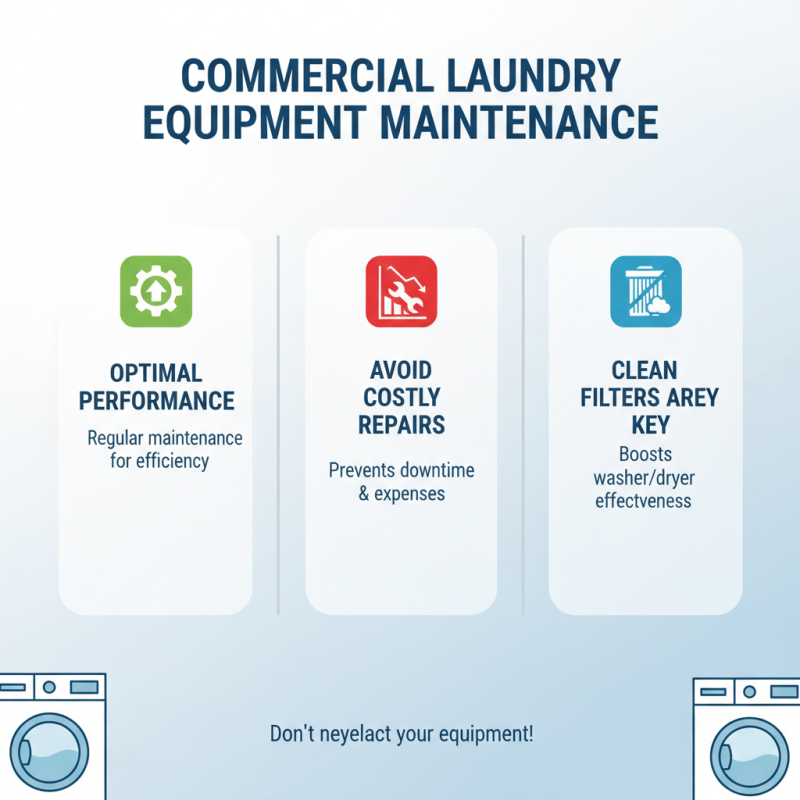
**Tip:** Regular maintenance is crucial. Neglect can lead to more breakdowns, causing downtime that no business can afford.
Choosing the right washer and dryer means understanding your specific needs. This takes time and research. It’s wise to assess the layout of your business. Identify what machine sizes will complement your space. Don’t forget to consider noise levels too. A noisy machine can disrupt customer experiences.
**Tip:** Consider user reviews and industry standards. While marketing materials look great, real user experiences can reveal shortcomings.
Key Features to Consider When Choosing Commercial Laundry Machines
When choosing commercial laundry machines, capacity is key. Evaluate how much laundry your business generates daily.
Larger machines can handle bigger loads. However, smaller machines may be more suitable for limited space. It’s essential to balance these factors.
Energy efficiency plays a crucial role in long-term savings. Look for machines that consume less water and electricity.
Yet, not all energy-efficient models provide the same washing quality. You may experience less satisfaction with certain options.
Test them if possible.
Don’t overlook durability. Commercial washers and dryers face heavy use. Machines must withstand constant cycles without frequent repairs.
Maintenance is often underestimated too. A reliable service plan can save time and money. Decisions should be based on real needs, not just appearances.
Top Brands for Commercial Washers and Dryers in 2023
In the commercial laundry market, choosing the right equipment is crucial. Reliable washers and dryers directly impact service efficiency. In 2023, numerous brands stand out for their technology and durability. According to industry reports, approximately 20% of businesses underestimate the importance of energy efficiency. This oversight can lead to higher operational costs over time.
Top-rated commercial washers now feature advanced sensors and eco-friendly cycles. Some models boast up to 30% lower water usage compared to older versions. This is significant when considering the rising water costs nationwide. Additionally, many of these machines can handle heavy loads—up to 100 pounds—making them suitable for busy facilities. Operators often face challenges with maintenance schedules. Regular upkeep is essential but frequently neglected, which can result in unexpected repairs.
The dryers on the market also showcase impressive capabilities. Many come equipped with humidity sensors that optimize drying time. This technology not only saves energy but also reduces wear on fabrics. However, the reliance on these systems can lead to complacency. Some facilities may skip routine checks, resulting in decreased efficiency and increased downtime. Bridging the gap between technology and human oversight is essential for business success.
Cost Analysis: Initial Investment vs. Long-term Savings
When considering commercial washers and dryers, the cost analysis is critical. The initial investment can be steep, often ranging from $20,000 to $50,000 for high-quality equipment. However, this upfront cost needs to be weighed against long-term savings. According to industry reports, businesses can save up to 30% on water and energy costs with efficient machines. This can lead to significant savings over time, especially for laundromats or large facilities.
Operational costs should also be evaluated. Regular maintenance can prevent major repair costs. On average, a well-maintained machine lasts about 10 years. If a machine breaks down, it could mean lost revenue. Investing wisely upfront can prevent unexpected expenses down the line.
Tip: Look for commercial machines that offer warranties. This can reduce long-term risk. Also, consider the energy efficiency rating. Higher efficiency can translate into lower utility bills over time. Small details can make a big difference.
Cost Analysis of Commercial Washers and Dryers