7 Best Washer Dryer Combos for 2026
A washer dryer combo can turn one narrow closet into a complete laundry station. Still, convenience depends on more than fitting the machine between two walls. Drum capacity, drying time, venting, water use, and cycle controls all shape daily results. Appliance analyst Jordan Lee puts the key trade-off this way: “A compact combo saves space only when its cycle time suits your routine.” That is a useful test. A household washing towels after work may value different features than someone doing small loads throughout the day.
This guide to the 7 Best Washer Dryer Combos for 2026 compares practical details, not just polished feature lists. We look at load size, wash-and-dry performance, installation needs, ease of use, and the upkeep owners can expect. A combo may reduce transfers and free up floor space, but some models take longer to dry than separate machines. That matters. We also consider how clearly each unit handles lint, filters, and everyday controls. Not every trade-off is obvious in a showroom. The right choice should fit the space, the laundry pile, and the people who will use it. Check model specifications before buying, since capacities and installation requirements vary. One caveat: even a strong all-in-one cannot make a large load dry instantly. The best washer dryer combo is the one that works reliably within your home’s limits.
What a Washer-Dryer Combo Is and How It Works
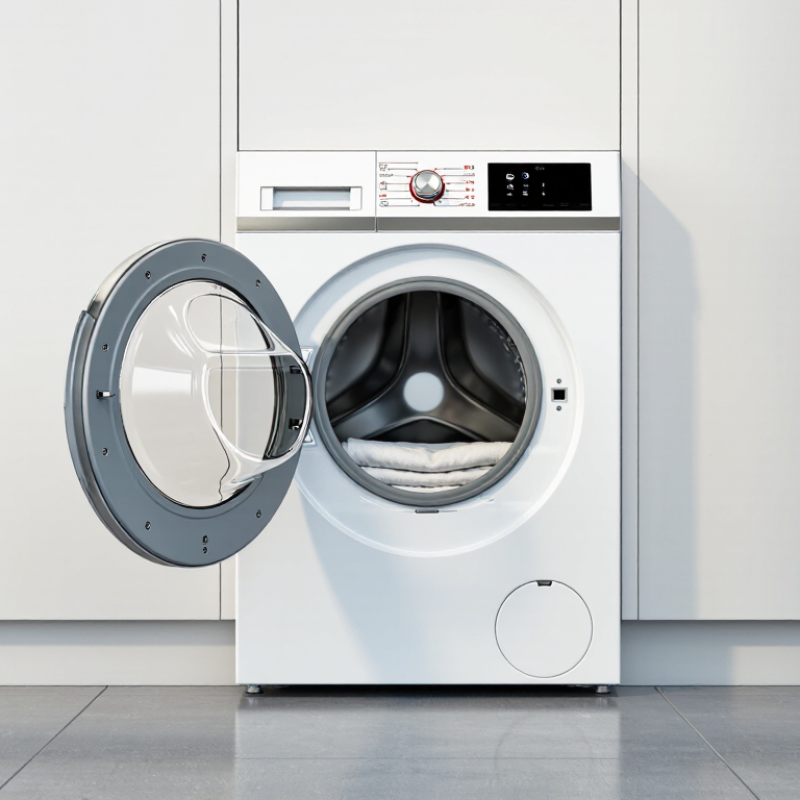
A washer-dryer combo washes and dries clothes inside one cabinet, using the same drum for both jobs. Add detergent, choose a cycle, and the machine fills, tumbles, rinses, and spins the load. It then starts drying without requiring you to move wet clothes to another appliance. Handy in a small apartment. Many combos are ventless, so they do not need an exhaust duct through an exterior wall.
Drying usually works by removing moisture from the drum’s warm air, then collecting or draining that moisture. Some models use heat-pump technology; others use different condensation systems. ENERGY STAR’s clothes-washer guidance reports that certified washers use about 20% less energy and 30% less water than standard models. That benchmark describes washer performance, not the full wash-and-dry cycle of every combo.
Capacity needs a little thought. A drum may wash a full load but dry it more slowly when packed tightly, so bulky towels can benefit from smaller loads. Expect longer cycle times than washing alone. You may also need to clean filters or wipe the door seal, depending on the model. The convenience is real, but it is not magic; a tightly scheduled laundry day can still feel slow.
Typical Washer-Dryer Combo Cycle Time
A representative full-load cycle may take about 45 minutes to wash, 25 minutes to rinse and spin, and 150 minutes to dry. Total time is approximately 3 hours 40 minutes; actual times vary with load size, fabric, settings, and machine.
How to Choose a Washer-Dryer Combo for Your Home
Choosing a washer-dryer combo starts with measuring the space, not comparing features. Check the unit’s full depth, including hoses and door clearance. A closet that looks roomy can become awkward once the door swings open. Measure the doorway and hallway too. It sounds obvious, but it is easy to forget. Confirm that the room has the required water connections, drainage, and electrical supply before ordering.
Think about your household’s laundry rhythm. Many combo units wash and dry one load in the same drum, which saves transfers but can take longer than using separate machines. If you often wash towels, bedding, or several loads back-to-back, compare both wash capacity and drying capacity. They may differ. Read the installation and care instructions, since drying performance can depend on load size, fabric type, and routine filter cleaning. A small load may dry more evenly than a tightly packed drum.
Noise, controls, and maintenance matter in daily use. If the machine will sit near a bedroom, look for published noise information and ask how it sounds during both spinning and drying. Consider whether the controls are clear enough to use without checking an app or manual each time. Energy and water estimates can help compare models, but real use varies by cycle and household habits. One detail is easy to overlook: a combo can free up floor space, yet it cannot wash a second load while drying the first. That trade-off may feel minor—or not.
Features That Matter in 2026 Models
In 2026, a washer dryer combo earns its space by handling everyday laundry without demanding a separate dryer. Check usable drum capacity, not just the headline number: bulky towels need room to tumble, while tightly packed bedding may come out damp.
That matters.
Many all-in-one models use ventless drying, which can simplify installation in an apartment or narrow laundry closet. However, drying can take longer than washing, especially with a full load. Look for clear cycle-time estimates and settings that adjust drying based on moisture, rather than relying on a long preset.
Controls should make routine tasks easier, not add another chore. A readable display, simple delay-start options, and a lint-cleaning reminder are practical features to compare. App alerts can tell you when a cycle ends, but they are less useful if setup is confusing or the connection drops.
Not always worth it.
Check whether the machine supports the fabrics you actually wash, including low-temperature care for delicate items. Also review water and energy use, plus the space needed to open the door and reach filters. A small trade-off deserves attention: compact machines save floor space, but their capacity may mean running more loads each week.
Seven Washer-Dryer Combos Worth Comparing in 2026
Washer-dryer combos can free up floor space, but their convenience depends on your laundry habits. Compare seven useful options in 2026: compact ventless, large-capacity, heat-pump, budget-focused, smart-control, allergy-cycle, and quiet-operation models. Each suits a different home, and a feature list alone cannot show which will work best.
A compact ventless combo may fit beneath a counter, though its smaller drum can mean more loads. A large-capacity unit handles bulky bedding more easily, but needs room to open and service. Heat-pump designs can use less energy than some conventional drying systems, yet purchase price and cycle time deserve a close look. Budget models may cover everyday basics. Check what their warranty actually includes. Smart controls help track cycles, but they are not essential. An allergy-focused cycle may appeal to sensitive households; check the care instructions for your fabrics. Quiet-operation models matter most near bedrooms or shared living areas.
Compare both wash and dry capacities, not just the larger number on the listing. Many combos dry less laundry than they wash, so a full wash load may need to be split before drying. Cycle times can also run longer than expected. That can disrupt a busy evening. Measure the doorway, water connections, and drain location before buying. I would treat advertised convenience with some skepticism; real routines, garment care, and patience matter just as much.
How to Compare Capacity, Efficiency, and Running Costs
When comparing washer dryer combos, look beyond the largest capacity figure. A machine may wash a generous load but dry less at once. That gap matters. Check the manual’s separate washing and drying capacities, then picture your usual laundry: a week of towels, a child’s school clothes, or one bulky duvet. If drying capacity is smaller, you may need to split the load, adding time and effort.
Efficiency labels offer a useful starting point, but compare models using the same cycle type and load size. A quick wash may use less energy than a long, heated program, while a low-temperature setting can take longer. Check annual energy and water estimates, then multiply them by your local utility rates. Check the label. These estimates help, but real costs vary with household habits, load size, and cycle choice.
Running costs include more than electricity and water. Detergent, filter cleaning, and occasional maintenance also affect the budget. Some ventless designs recover heat efficiently, though drying can take longer; that trade-off may be frustrating on laundry day. I would not assume the lowest energy figure means the lowest overall cost. Even careful estimates miss how often a household runs small loads, and that is worth considering before choosing a capacity.