Choosing an Animatronic Western Dragon in 2026 means balancing theatrical impact with dependable engineering. Public market reports do not track Western dragons as a separate product category. The TEA/AECOM 2023 Theme Index reported 521 million visits across the world’s top 25 theme parks, illustrating the scale of audiences that immersive attractions can reach. That figure describes park attendance, not dragon sales. It is useful context, not proof of product demand.
A successful dragon should look convincing from several viewing distances. Check its silhouette, skin finish, eye movement, jaw timing, and the sound level of its mechanisms. Ask for continuous-operation test footage, maintenance schedules, warranty terms, and documented material specifications. Small details matter. A jerky neck or poorly timed blink can weaken an otherwise impressive scene. I cannot verify a published, topic-specific quotation from a named Animatronic Western Dragon expert, so I will not invent one or attribute generic advice to a real person. That restraint matters when evaluating vendor claims.
This guide will compare movement options, control systems, fabrication quality, installation needs, and long-term servicing. It will also distinguish measurable specifications from promotional language. The right choice is not always the largest dragon. It is the one that fits the venue, performs reliably, and still feels alive under real show conditions.
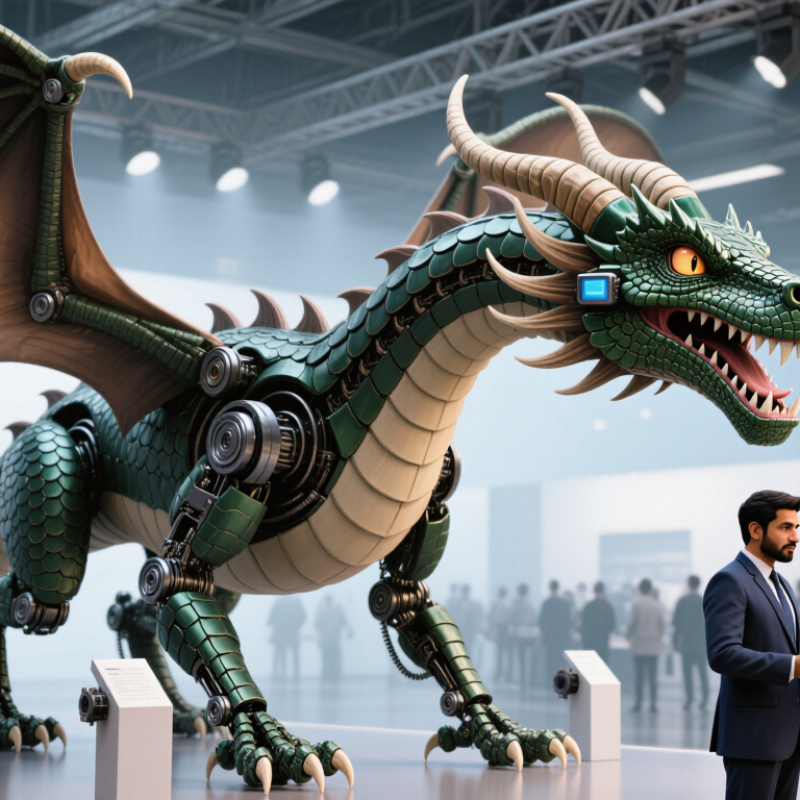
An animatronic Western dragon is a mechanical figure built around a familiar silhouette: two hind legs, two forelimbs, a long tail, and a horned or crested head. Its identity comes from the whole shape, not just scales or glowing eyes. A convincing design balances a broad chest, articulated wings, and a neck that turns without appearing stiff. Small details matter. Claws should sit naturally on the feet, while layered scales follow the body’s curves. In 2026, ask how its movements are made and controlled. Motors, linkages, and settings should suit the display space and intended motion.
Movement helps define the character. A slow head turn, a slight jaw opening, and a tail sway can suggest weight better than constant motion. Check whether the figure moves smoothly, pauses quietly, and returns to its resting position reliably. No motion looks perfect from every angle; that is easy to overlook. Consider viewing distance, too. Fine facial details may disappear across a large room, while exaggerated movements can feel distracting up close. Request clear specifications for materials, moving parts, maintenance access, and operating needs before choosing.
Tips: Watch a full movement cycle, not a short demonstration. Ask which parts require routine inspection, and confirm the dragon fits through the planned entrance. Measure twice. A dramatic wing span is useless if it cannot pass through the doorway.

Match the dragon’s scale and movement to the room, not just to a product photo. A tall figure may suit a spacious lobby, while a compact model can work better beside a narrow exhibit path. Measure doorways, ceiling height, turning areas, and visitor sightlines before deciding. A moving tail or turning head can create excitement, but it also needs clear space. Small details matter.
Consider who will visit and how they will experience the display. Younger guests may enjoy friendly expressions, gentle motion, and a clear viewing area. Older audiences might respond to weathered textures, layered scales, and slower, more lifelike gestures. Check sound levels and lighting in the actual venue; a roar that seems subtle online could feel overwhelming in a quiet gallery. There is no perfect formula, and it is easy to overestimate how much motion a space can handle. Ask staff to observe visitor flow during a busy period, then adjust the placement if people crowd around one side.
Tips: Request dimensions, operating requirements, and care instructions. Test the planned viewing angle with a taped floor outline. Keep accessible routes open, and choose effects your team can maintain consistently.
Compare the internal frame and outer skin, not just the dragon’s appearance. A steel frame can support repeated movement, but its welds, fasteners, and access panels need inspection. Silicone often gives scales and facial details a lifelike finish; textured fabric or flexible coatings may weigh less and be easier to repair. Ask how each material handles sunlight, moisture, dust, and temperature changes at your installation site. Small cracks matter.
Features should serve the scene. Look for adjustable lighting, clear sound, and controls that staff can reach without removing decorative panels. Check whether the head, jaw, eyes, and tail move independently, and whether settings can be slowed for close-up viewing. A useful demonstration includes the actual audio and lighting, not a silent showroom pose. Confirm cleaning steps and the expected service interval in writing.
Movement quality depends on more than the number of moving parts. Compare range, speed, smoothness, noise, and how consistently a sequence repeats. A slow head turn with a brief pause can feel more convincing than several jerky motions. Ask to see a full operating cycle, including startup and shutdown, and check for cable pinch points or abrupt stops. One detail is easy to overlook: a dramatic tail sweep may need more clearance than the display plan allows. Reconsider the layout before choosing.
Suggested evaluation weights for comparing materials, features, and movement before you buy.
How to use this chart: Treat these percentages as a practical comparison guide, not measured industry data. Check the frame and outer-skin materials, confirm the motion range and control options, and ask how the unit is protected from weather and maintained.
Treat safety details as part of the design, not fine print. Ask for the dragon’s weight, power needs, moving-part clearance, and suitable operating conditions. Check pinch points around the jaw, wings, and tail. They should be guarded or kept beyond visitor reach. Request written maintenance guidance and clear instructions for emergency stops. If the documents are vague, pause.
Controls and installation deserve equal attention. Ask what happens if power fails or a control signal is lost. Test the motion sequence and stop function before visitors arrive. Confirm the floor can support the unit, and ask how it must be anchored. For outdoor displays, check weather limits and cable protection. A qualified installer should review electrical connections and access for repairs. I would not assume a roomy-looking venue has enough clearance; measure the full sweep of the wings and tail.
Tips: Mark the movement zone on the floor with tape before installation. Keep the controller accessible to trained operators, not visitors. Photograph cable routes and anchor points for later checks. A small missed detail can become a frustrating one.
How to Choose an Animatronic Western Dragon in 2026?
A supplier’s demo should show more than glowing eyes and a moving jaw. Ask for a full-motion video, component specifications, wiring diagrams, warranty exclusions, and a list of replaceable parts. Check how the dragon handles your actual conditions: indoor dust, outdoor moisture, daily operating hours, and close visitor contact. Ask for proof. A polished demo can still hide weak joints, and one video cannot prove years of reliability. Grand View Research valued the global amusement parks market at $59.75 billion in 2023 and forecast 5.5% annual growth from 2024 to 2030. That signals a growing attractions market, not a reliable price benchmark for a custom dragon.
Compare written quotes that include shipping, installation, controls, commissioning, spare parts, and technician travel. Then assess access for repairs: can staff reach the jaw actuator without dismantling the head? Can the supplier provide replacement parts and remote support? The U.S. Department of Energy’s Operations & Maintenance Best Practices guide estimates that operations and maintenance can represent 60–80% of a facility’s life-cycle costs. This is not a dragon-specific estimate, but it is a useful reason to examine maintenance plans before buying. I would treat supplier promises as starting points, not guarantees. Request a clear inspection schedule and annual service estimate, then check whether your team can realistically follow them. Details matter.
Indicative planning ranges in USD, not supplier quotations. Final costs depend on scale, movement, materials, control systems, shipping, installation, and local requirements.
| Evaluation area | What to check | Typical planning range or benchmark | Questions to ask before ordering |
|---|---|---|---|
| Display scale and build | Overall length, height, pose, frame, skin, and intended viewing distance. | A small, mostly static display may be budgeted around $3,000–$12,000; a larger custom figure commonly requires a substantially higher quote. | Are the dimensions and included materials specified in the quote? Can the design fit through the delivery route and into the final installation area? |
| Movement and controls | Which motions are included, such as jaw, head, neck, eyes, wings, tail, or body; also check speed, noise, and control method. | A custom unit with several basic movements may fall roughly in the $8,000–$25,000 range; more complex motion and controls can raise the total considerably. | Can the supplier provide a movement list, control demonstration, emergency stop, and details of any sensors or operator controls? |
| Custom, full-scale creature | Large-format construction, coordinated movements, sound or lighting integration, and installation requirements. | A roughly 3–6 m custom interactive figure may require about $25,000–$80,000 or more, depending on specification and site work. | Is the price itemized for design, fabrication, controls, testing, packing, freight, installation, and commissioning? |
| Outdoor suitability | Weather protection, drainage, corrosion resistance, UV exposure, wind loading, and temperature limits. | Outdoor-ready construction and site-specific protection can add significant cost; the supplier should state the intended exposure conditions rather than offer a generic claim. | What environmental limits apply? Which parts need shelter, and what inspection or covering is recommended during severe weather? |
| Controls and electrical setup | Power requirements, wiring, controller access, operating cycle, and local electrical compliance. | Confirm the required voltage, current, plug or hard-wiring arrangement, and duty cycle in writing before purchase; electrical work may require a qualified local installer. | Are wiring diagrams, controller documentation, and a safe shutdown procedure included? Who is responsible for local compliance checks? |
| Supplier capability | Relevant project examples, engineering drawings, production milestones, quality checks, and communication arrangements. | Request a written specification, dated progress updates, and pre-shipment photographs or video; these help verify the agreed scope. | Can the supplier show comparable completed work and provide a clear process for approving design changes and resolving defects? |
| Lead time and delivery | Design approval, fabrication, testing, packing, freight, customs, and installation scheduling. | A custom project may take roughly 8–16 weeks or longer before shipping; transit and site installation add time and vary by destination. | Which dates are estimated versus contractually agreed? Who pays freight, import charges, storage, and any return shipping? |
| Warranty and support | Warranty duration, covered components, exclusions, response time, remote troubleshooting, and repair logistics. | A 12-month warranty is a useful comparison point, but coverage varies; confirm whether labor, shipping, motors, controls, and wear items are included. | What evidence is needed to make a claim? Are replacement parts available after the warranty period, and for how long? |
| Annual maintenance budget | Routine inspection, cleaning, lubrication where specified, fastener checks, skin repairs, and control-system checks. | As an initial planning allowance, set aside about 5%–10% of the purchase price per year; actual spending may be lower or higher based on use and environment. | Can the supplier provide a maintenance schedule, recommended consumables, inspection intervals, and estimated replacement-part costs? |
| Spare parts and repairability | Availability of motors, actuators, sensors, controllers, connectors, and replaceable skin sections. | Price and availability are design-specific; obtain a spare-parts list and lead-time estimates before approving the build. | Can common wear parts be replaced locally? Are standard components used, and are repair instructions or wiring diagrams supplied? |
| Installation and site safety | Anchoring, moving-part clearances, public access, pinch points, barriers, and access for maintenance. | Installation and site preparation are often separate line items; costs depend on access, foundations, lifting equipment, and local labor. | Who signs off the anchoring and operating area? Are safety instructions and an emergency-stop location included in the handover? |
| Total cost of ownership | Purchase price plus shipping, duties, installation, power, maintenance, repairs, storage, and eventual disposal. | Compare a multi-year budget rather than the initial quote alone; request separate, itemized amounts for one-time and recurring costs. | What is excluded from the quoted price, and which recurring costs are likely during the expected service life? |