How to Choose the Best Slip Ring Electrical Solutions?
Choosing the right Slip Ring Electrical solutions is critical for optimizing performance in various applications. According to industry reports, the global slip ring market is projected to reach $3 billion by 2025, reflecting a growing demand across sectors like renewable energy, aerospace, and robotics. These solutions facilitate the transfer of power and data in rotating applications, playing a vital role in modern machinery.
However, selecting the best slip ring can be challenging. Various factors come into play, including design, materials, and operational environment. For instance, precision in construction affects signal integrity. Reports suggest that up to 30% of equipment failures can be linked to inadequate slip ring performance. This statistic underscores the importance of making informed choices.
Potential buyers must carefully evaluate their specific needs. Not all slip rings are created equal; different applications require distinct designs. Investing in high-quality slip ring solutions can significantly enhance system reliability. It’s essential to partner with reputable manufacturers who prioritize quality. The choices made can lead to significant long-term impacts on operational efficiency.
Understanding Slip Rings: Types and Their Applications
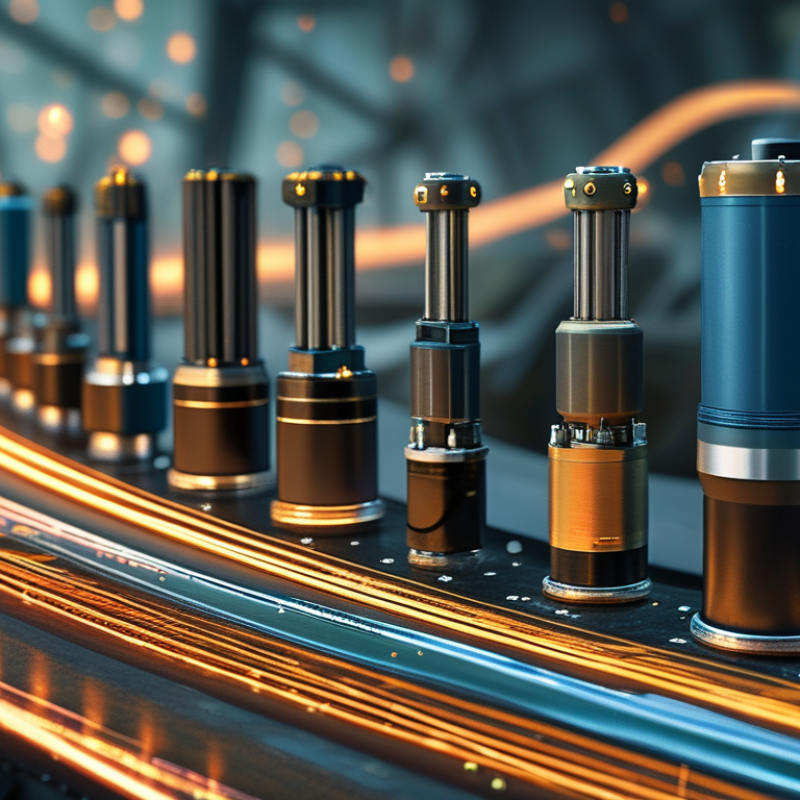
Slip rings are crucial components in many electrical systems. They allow for the transfer of power and data from a stationary to a rotating part. Understanding various types of slip rings can help you make informed choices. There are several common types, including capsule, modular, and fiber optic slip rings.
Each type has unique applications. Capsule slip rings are compact and typically used in smaller devices. They are ideal for applications where space is limited. Modular slip rings offer flexibility and can be customized for specific needs. They work well in industrial equipment and robotics. Fiber optic slip rings provide a solution for high-speed data transfer. They are commonly utilized in telecommunications and military systems.
Choosing the right slip ring requires careful consideration. Focus on parameters like the number of circuits and rotational speed. Assess the environmental conditions they will face, such as dust or moisture. Durability and maintenance are critical factors. All these aspects matter for longevity and performance. Exploring different options can feel overwhelming. Reflect on your specific application needs to avoid common pitfalls.
Understanding Slip Rings: Types and Their Applications
This chart illustrates the different types of slip rings and their respective applications in various industries, highlighting their significance in ensuring smooth electrical transmission.
Key Factors in Selecting Slip Ring Electrical Solutions
Choosing the right slip ring electrical solution is crucial for system performance. A slip ring must match specific project requirements. Industry reports indicate that improper selection can lead to 30% increased maintenance costs. Understanding key factors is essential.
One primary consideration is contact configuration. Each application may require different designs—like conductive materials and ring counts. These are not one-size-fits-all solutions. Some applications may benefit from higher reliability over low-cost alternatives. It's vital to weigh operational conditions such as RPM and environmental factors, like moisture and dust exposure.
Another significant aspect is load capacity. Load predictions should reflect real-world scenarios. Miscalculating can lead to system failures. Recent studies show that nearly 25% of slip ring systems underperform due to underestimated loads. Proper analysis of electrical and mechanical needs is non-negotiable. Also, reflect on the longevity and warranty of components. These elements are often overlooked, yet they can impact overall system durability.
Evaluating Performance Metrics: Conductivity and Speed Ratings
When selecting slip ring electrical solutions, performance metrics are crucial. Conductivity is one of the key factors. High conductivity ensures that electrical signals can travel efficiently. This is essential in applications where precision matters. Lower conductivity may lead to signal loss. It can impair the performance of an entire system.
Speed ratings also play a vital role in evaluating slip rings. Many applications require high rotational speeds. A slip ring that cannot keep up might cause delays or system failures. It is vital to know the speed limits of the slip ring. Some slip rings may look suitable but cannot handle extreme conditions. This mismatch can lead to overheating and reduced lifespan.
Choosing the right slip ring involves a careful consideration of these metrics. However, manufacturers sometimes present data in ways that are hard to interpret. It may be wise to seek expert advice. Understanding the nuances of conductivity and speed can help avoid costly mistakes. A thorough evaluation process can prevent future complications in your projects. It is essential to reflect on these choices as they can greatly impact system efficiency.
Industry Standards and Compliance for Slip Ring Solutions
When selecting slip ring electrical solutions, compliance with industry standards is crucial. These standards ensure safety, reliability, and performance. Understanding compliance regulations helps maintain the integrity of your applications. Look for certifications that pertain to the specific industry. This could include IEC, UL, or ANSI standards. Each standard addresses unique aspects of electrical components.
Tips: Always ask for documentation. Verify that the solutions meet relevant compliance regulations. Knowledge of standards allows for better decision-making and risk management.
The material choice for slip rings often influences performance. Using quality materials enhances durability and conductivity. Materials like gold, silver, or specific alloys are generally favored. However, not all manufacturers adhere to strict quality control. It's important to assess the sourcing and testing practices.
Tips: Review supplier audits. Inquire about their quality assurance processes. Make sure they have a track record of reliability.
Incorporating robust engineering practices during selection increases efficacy. Evaluate the technical specifications against industry needs. However, some designs might not align perfectly with every requirement. Compromises may be necessary, but they should not compromise safety or reliability. Always analyze the implications of any trade-offs made in the design stage.
Cost-Benefit Analysis: Long-Term Value of Slip Ring Systems
Choosing the best slip ring electrical solutions involves more than just immediate costs. It requires a thorough cost-benefit analysis to uncover long-term value. Slip ring systems are critical in numerous applications, from wind turbines to industrial machines. Their efficiency directly affects operational costs and performance sustainability.
When evaluating options, consider the durability of materials used. High-quality slip rings can significantly reduce maintenance expenses. However, cheaper options might seem tempting. They often lead to frequent replacements and increased downtime. Reflecting on these factors is essential for making informed decisions. The balance between initial investment and long-term savings is delicate yet crucial.
Additionally, think about the technological advancements in slip ring systems. Newer designs offer better conductivity and reliability, leading to enhanced performance. Not all systems adapt well to industry changes. This inconsistency can affect productivity. It’s important to assess how well these solutions can evolve with your needs.