10 Essential Tips for Choosing the Perfect Washer and Dryer Set?
Choosing the right washer and dryer set is a vital decision for any household. According to a recent industry report by Statista, the global market size for laundry appliances reached over $40 billion in 2022 and is expected to grow steadily. With various brands and models available, making an informed choice can be overwhelming.
Expert Josh Lyman of Appliance Insights emphasizes, “Selecting the right washer and dryer set can enhance laundry efficiency and save time.” It's crucial to consider factors like energy efficiency, capacity, and space. Review specifications thoroughly because many consumers often overlook key details.
Most buyers focus on aesthetics or price, but performance and durability should be paramount. Remember, a washer and dryer set is an investment in your home. Small choices, like opting for a unit with advanced features, can lead to significant long-term savings. Reflect on what really matters for your laundry routine before making a decision.
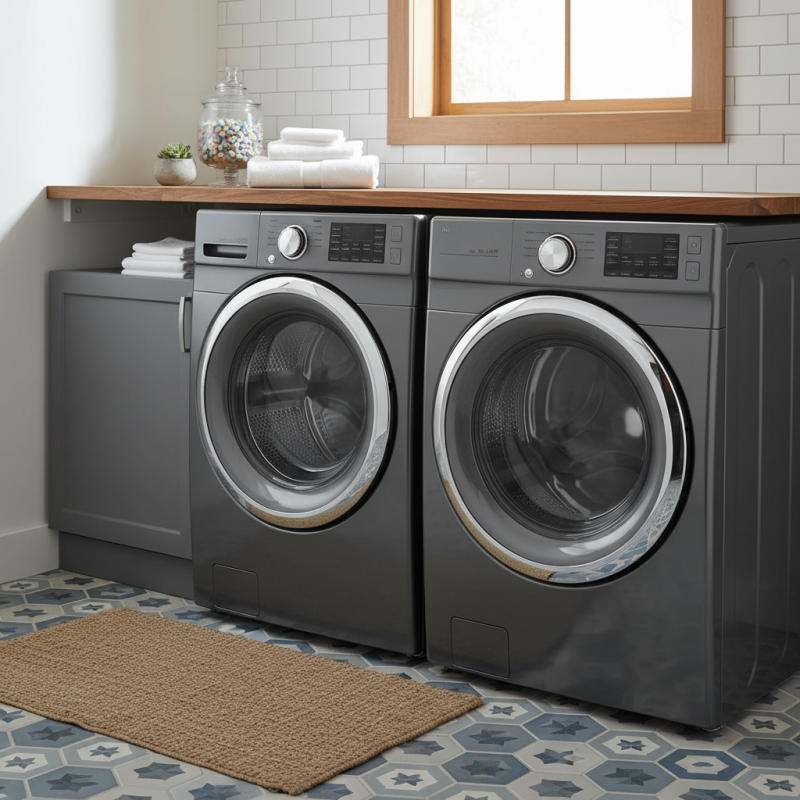
Understanding Your Laundry Needs and Space Constraints
When choosing a washer and dryer set, understanding your laundry needs is crucial. Consider how many people live in your home. More laundry means you may need a larger capacity. Think about your washing frequency, too. If you wash clothes several times a week, a larger, more efficient machine could save you time.
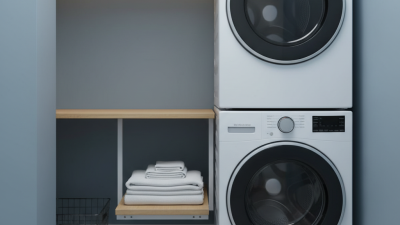
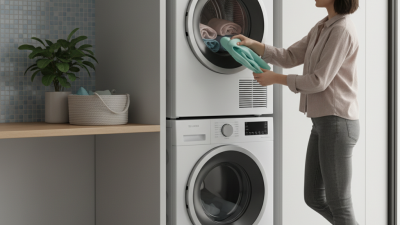
Space constraints play a significant role in your decision. Measure your laundry area carefully. Remember to account for door swings, ventilation, and power outlets. A compact unit might fit better in a tight space. Some models even stack to save floor space. Don’t overlook the importance of accessibility. If you struggle to load or unload, even the best machines won't meet your needs.
Reflect on your preferences for features. Do you need specialized settings for delicate or bulky items? Maybe you prefer energy-efficient options to save costs over time. Consider your lifestyle; multitasking features can be incredibly convenient. It's important to weigh your laundry habits against the appliances' capabilities. This balance can lead to satisfying choices but can also bring frustration if not thoughtfully considered.
Comparing Washer and Dryer Types: Front-Load vs. Top-Load
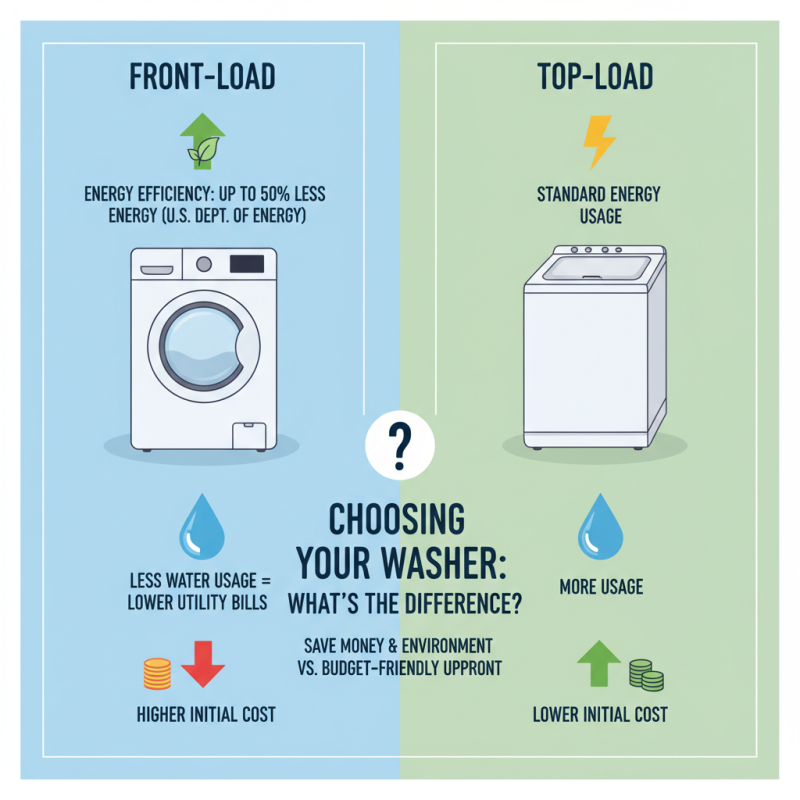
When selecting between front-load and top-load washers, understanding their differences is crucial. Front-load machines are known for their energy efficiency. According to the U.S. Department of Energy, front-loaders can save up to 50% more energy than their top-loading counterparts. They also use less water, making them friendlier to both the environment and your utility bills. However, their initial cost can be higher, which might be a hurdle for some budgets.
On the other hand, top-load washers offer convenience. They allow you to add laundry mid-cycle, which is a beneficial feature for busy households. A recent survey indicated that nearly 45% of consumers prefer top-load models for their ease of use. However, they tend to use more water and energy, which could escalate costs over time. While they may have a lower upfront price, the long-term expenses can be unexpectedly high.
Ultimately, the choice boils down to personal preference and lifestyle. Are you more focused on energy efficiency or convenience? Reflecting on how often you do laundry may guide your decision. Each type has its strengths and weaknesses. Understanding these can lead to a more informed choice.
Evaluating Energy Efficiency Ratings and Water Usage
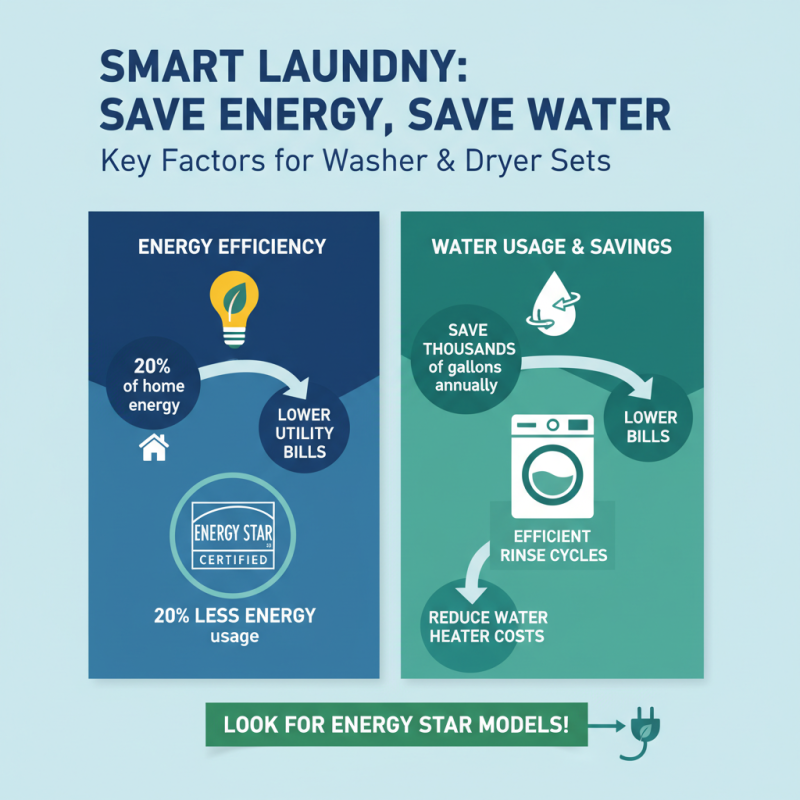
When selecting a washer and dryer set, energy efficiency and water usage are critical factors to consider. According to the U.S. Department of Energy, appliances are responsible for 20% of energy consumption in homes. Choosing energy-efficient models can significantly reduce your utility bills. Look for units with an Energy Star certification. These models use about 20% less energy than standard ones.
Tip: Don't overlook the capacity of machines. A larger capacity washer may seem appealing, but it can consume more water if not used efficiently. Smaller households might benefit from compact models that save space and resources.
Water usage is equally important. Traditional top-load washers can use up to 40 gallons per load, while high-efficiency front-loaders often use around 15-25 gallons. According to the American Water Works Association, cutting water usage can lead to substantial savings on water bills, especially in areas facing drought.
Tip: Check the water factor (WF), which measures the amount of water needed per cubic foot of laundry. A lower WF indicates better efficiency. Selecting a model with a WF of 6 or lower is beneficial for both the environment and your finances.
Considering Capacity and Load Size for Your Household
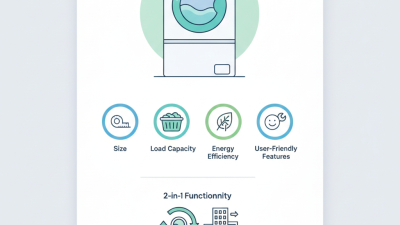
When selecting a washer and dryer set, capacity and load size are critical. Assess your household needs first. A smaller family may require only a compact washer-dryer combo. Larger families often benefit from high-capacity models to handle bigger loads. Remember, energy efficiency is also key. A larger unit consumes more energy, which could increase utility bills.
Think about your laundry habits. Do you wash frequently or rely on bulk loads? This will influence your choice. Sometimes, we underestimate our laundry volume. If you tend to wash bedding or towels separately, a larger capacity may be necessary. It’s easy to overlook these factors, leading to frustrations.
Consider the space available too. Not every model fits seamlessly into your home. Measure your area to avoid surprises. An oversized machine can lead to cramped quarters. Flexibility can be helpful. Some families may need to combine washing and drying due to limited space. Settle on a design that matches your lifestyle and prevents chaos. Choices can be daunting, but being thoughtful about capacity can pave the way for a more organized laundry experience.
10 Essential Tips for Choosing the Perfect Washer and Dryer Set
| Feature |
Description |
Recommended Capacity |
Load Size |
| Compact Size |
Ideal for apartments and small spaces. |
1.5 - 3.0 cu. ft. |
Small Loads |
| Standard Size |
Perfect for average households with moderate laundry needs. |
3.0 - 4.5 cu. ft. |
Medium Loads |
| Large Capacity |
Best for larger families or heavy laundry needs. |
4.5 cu. ft. and above |
Large Loads |
| Energy Efficiency |
Look for Energy Star rated appliances to save on utility bills. |
N/A |
N/A |
| Noise Levels |
Choose models with lower decibel ratings for quieter operation. |
N/A |
N/A |
| Smart Features |
Connected features allow remote control via smartphone. |
N/A |
N/A |
| Drying Options |
Look for various drying settings such as delicate or steam. |
N/A |
N/A |
| Warranty |
Check the warranty period for both washer and dryer for protection. |
N/A |
N/A |
| Price Range |
Set a budget before shopping to narrow down your options. |
$500 - $2000 |
N/A |
Researching Brands and Reading Consumer Reviews for Reliability
When selecting a washer and dryer set, researching brands is critical. A report from Consumer Reports found that more than 25% of buyers experienced reliability issues within the first five years. This statistic highlights the importance of examining brand performance before making a purchase. Investigating warranties and service options can also provide insight into a brand's commitment to quality and customer satisfaction.
Reading consumer reviews is equally vital. Many reviews on platforms like online retailers can reveal common problems, durability issues, and performance ratings. For example, a survey from the Appliance Manufacturers Association found that 70% of purchasers relied on reviews to guide their decisions. Consumers often express frustration regarding noise levels and energy efficiency. Manufacturers may advertise low energy costs, but user experiences may tell a different story.
Pay attention to negative feedback. Some reviewers mention their machines malfunctioning after a few months. Others report dissatisfaction with customer support during repairs. Recognizing these potential pitfalls can save significant time and money. Consider trends in reviews rather than isolated complaints. This approach allows you to identify patterns and make a more informed choice for your laundry needs.
10 Essential Tips for Choosing the Perfect Washer and Dryer Set