10 Essential Tips for Maintaining Your Speed Queen Washer
Maintaining your Speed Queen washer is essential for optimal performance and longevity. A well-cared-for washer can provide you with years of reliable service, ensuring your laundry routines remain smooth and efficient. However, some users may overlook basic maintenance tasks. This neglect can lead to frustration and costly repairs down the line.
Regular cleaning and upkeep of your Speed Queen washer can significantly impact its functionality. Dirt and detergent buildup can hinder performance. It's important to recognize that small issues often grow larger when ignored. While it might seem tedious, dedicating time to maintenance can save you headache and expense.
Understanding your Speed Queen washer's features is crucial. Familiarize yourself with the settings and functions. This knowledge empowers you to avoid misuse and prevents potential damage. Remember, even the best machines need a little attention. With the right approach, your Speed Queen washer can remain a dependable workhorse in your home for years.
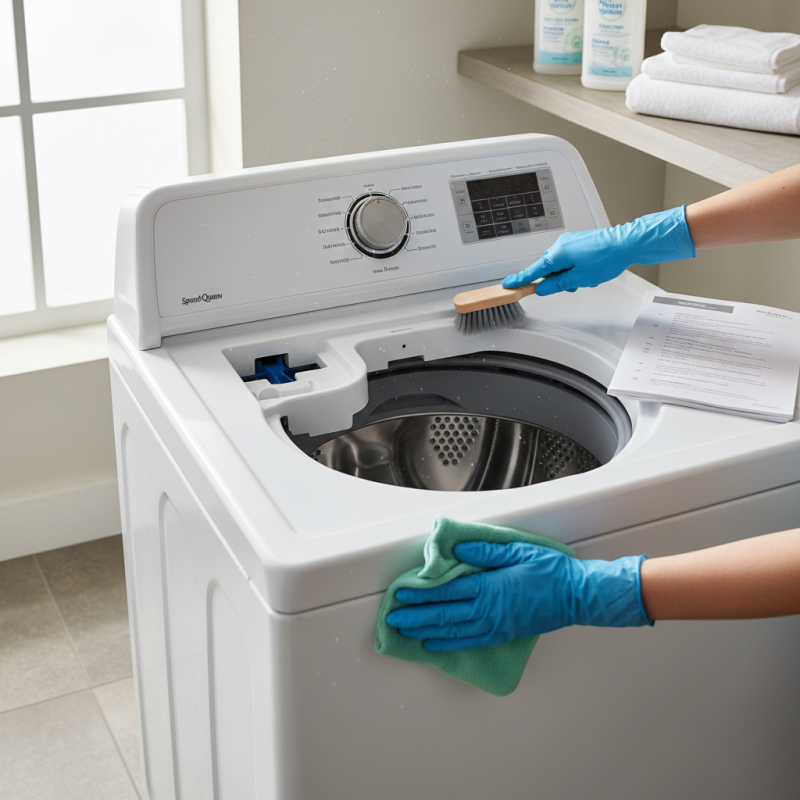
Understanding Your Speed Queen Washer: Key Features and Functions
When it comes to washing machines, understanding their key features is vital. A reliable washer offers various settings tailored for different fabrics. Knowing these can significantly improve your laundry experience. Investigate options like delicate, normal, or heavy-duty cycles. Each cycle uses specific agitation speeds and durations. Experimenting with these settings is essential. You might find that your favorite shirt shrinks because you used the wrong cycle.
Another critical aspect is the load capacity of your washer. Overloading can lead to poor cleaning results and even damage. It’s easy to underestimate how much weight your machine can handle. Occasionally, you'll find yourself cramming in one more shirt, only to face issues down the line. Additionally, familiarizing yourself with the detergent placement is crucial. Using too much detergent can cause excess suds, which might lead to breakdowns. Learning the correct measurements makes a difference.
Regular maintenance ensures your washer operates smoothly. Pay attention to the filter and drainage settings. A clogged filter can affect washing performance. Sometimes, it’s easy to forget about these components until there’s a problem. It’s important to establish a routine check-up to prolong your washer's life. Over time, even the best machines need some tender care.
Maintenance Tips for Your Washer
This chart illustrates the importance level (on a scale of 1 to 10) of various maintenance tips for optimizing the performance and lifespan of a washer. Regular care can help prevent costly repairs and ensure efficient operation.
Regular Cleaning: Safe Practices for Maintaining Your Washer's Hygiene
Maintaining the hygiene of your washer is vital for its longevity. Regular cleaning helps prevent mold and odors. Start by wiping the rubber door seal. This area can collect moisture and dirt, leading to unpleasant smells. Use a damp cloth and mild cleaner for this.
Another important tip involves the detergent drawer. Remove it frequently and wash it with hot water. Residue buildup can cause clogs and affect performance. Ensure it is completely dry before reinserting it. Clean the drum occasionally with a specific cleaner or a simple vinegar cycle to eliminate any lingering odors.
Over time, we often overlook the drain filter. This small part can become clogged with lint and debris. Regularly checking and cleaning it can save you from costly repairs. Don't forget about the exterior; dust and grime can accumulate. A quick wipe down with a cloth is all it takes. Regular attention to these areas will ensure a cleaner and more efficient machine.
10 Essential Tips for Maintaining Your Speed Queen Washer
| Tip Number |
Maintenance Tip |
Frequency |
Importance Level |
| 1 |
Clean the door seal |
Monthly |
High |
| 2 |
Run a cleaning cycle |
Every 3 months |
High |
| 3 |
Inspect the hoses |
Every 6 months |
Medium |
| 4 |
Wipe down exterior surfaces |
Weekly |
Medium |
| 5 |
Check for lint buildup |
Monthly |
High |
| 6 |
Clean the detergent dispenser |
Monthly |
High |
| 7 |
Check water supply filters |
Annually |
Medium |
| 8 |
Inspect drain pump |
Every 6 months |
Medium |
| 9 |
Avoid overloading |
Always |
High |
| 10 |
Consult the manual |
As needed |
Medium |
Monthly Maintenance Checks: Ensuring Optimal Performance and Longevity
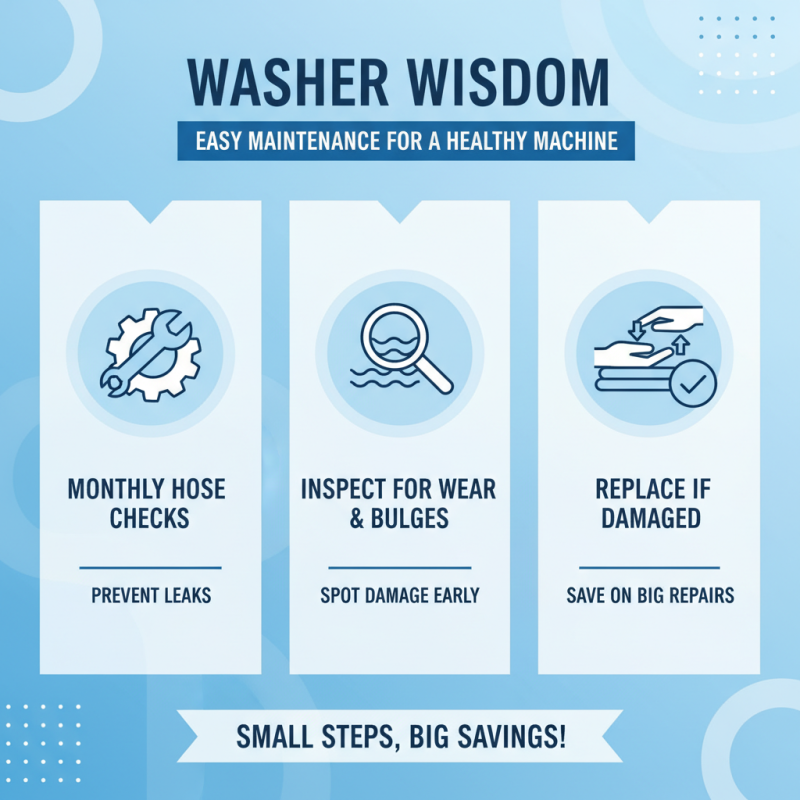
Regular maintenance checks are crucial for keeping your washer running smoothly. Inspecting hoses each month can help prevent leaks. Look for any signs of wear or bulging. If you notice any damage, replace them immediately. This small step can save you from larger issues later.
Cleaning the lint filter should also be part of your routine. A clogged filter can affect performance. It's easy to forget about. Remove it monthly, and give it a good clean under warm water. Sometimes, even after cleaning, you may still notice lingering odors. This could mean deeper issues within the washer.
Lastly, check the drum for any unusual noises during cycles. Odd sounds can indicate problems that need attention. Don’t ignore them. A little vigilance can extend your washer's lifespan. Remember, consistent care can prevent unexpected breakdowns. Take a moment to reflect on your maintenance habits, and adjust where needed.
Effective Troubleshooting: Common Issues and Solutions for Speed Queen Washers
When encountering common issues with your washer, knowing how to troubleshoot is key. A frequent problem is water not filling. Check if the water supply is on. Then inspect the hoses for kinks. Another issue is excessive vibrations during cycles. Make sure the washer is level. Uneven floors can cause chaos. Sometimes, simple adjustments fix this.
If your washer won’t drain, examine the drain hose for clogs. It’s surprising how a small blockage creates big headaches. A consistent error is the door not locking properly. Test the door latch to see if it’s functioning. If it’s not, the washer might not start. Lastly, keep an eye on unusual noises. They often hint at underlying issues that require attention. Knowing these tricks can make washing day smoother, but being aware of potential flaws is essential.
Best Practices for Using Detergents and Settings for Different Fabrics
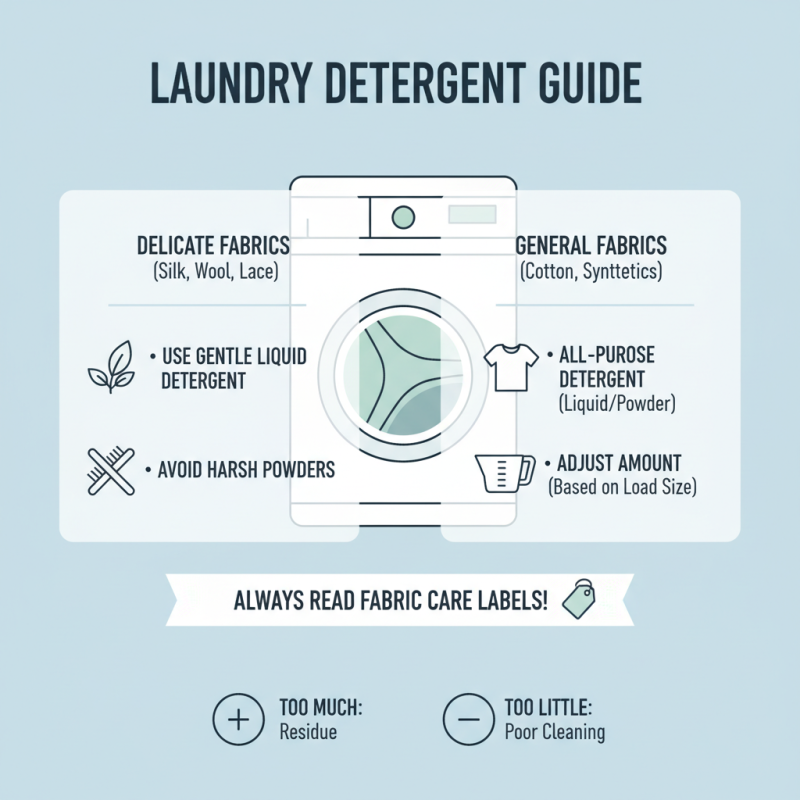
When washing different fabrics, choosing the right detergent is crucial. For delicate materials like silk, a gentle liquid detergent is ideal. Avoid harsh powders that can damage fibers. Always read the fabric care labels before choosing a cleaning product. Some detergents may not be suitable for all fabrics. Adjusting the amount of detergent is also key. Too much detergent can leave residues, while too little may not clean effectively.
Using appropriate settings enhances washing results. For heavy fabrics, like towels or jeans, opt for a bulky setting. This ensures proper agitation and rinsing. Delicate items, however, require a gentler cycle. Ignoring this can lead to shrinking or fading. It's a common oversight, but paying attention to settings aids longevity.
Temperature plays a significant role too. Cold water is effective for most fabrics and helps save energy. Hot water works well for specific stains, but can harm some colors. It's easy to forget this detail during laundry day. Each fabric type has its needs, and awareness will lead to better care over time.