Why You Should Consider a Stacking Washer and Dryer for Small Spaces
In today's fast-paced world, maximizing space is a necessity, especially in urban living environments where square footage can be limited. One effective solution for overcoming space constraints in laundry areas is the implementation of a stacking washer and dryer. These innovative appliances are designed to be stacked vertically, thereby freeing up valuable floor space that can be utilized for other essential household purposes. As small living spaces become increasingly common, the appeal of stacking washer and dryer units grows, providing a practical and efficient laundry solution.
Not only does a stacking washer and dryer save space, but it also enhances the overall aesthetic of your laundry area, allowing for a more organized and streamlined environment. Many modern models are equipped with advanced features that ensure powerful cleaning and drying capabilities, all while maintaining a compact design. This combination of functionality and space-saving design makes stacking units an ideal choice for those living in apartments, condos, or homes with limited laundry facilities. By considering a stacking washer and dryer, you can effectively transform a cramped laundry area into a more versatile and efficient part of your home.
Benefits of Stacking Washer and Dryer Units in Limited Space
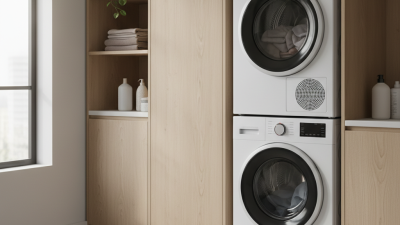
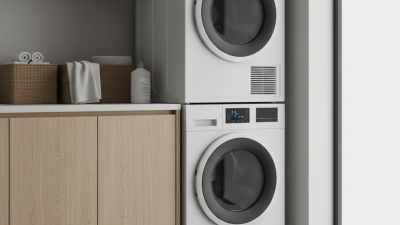
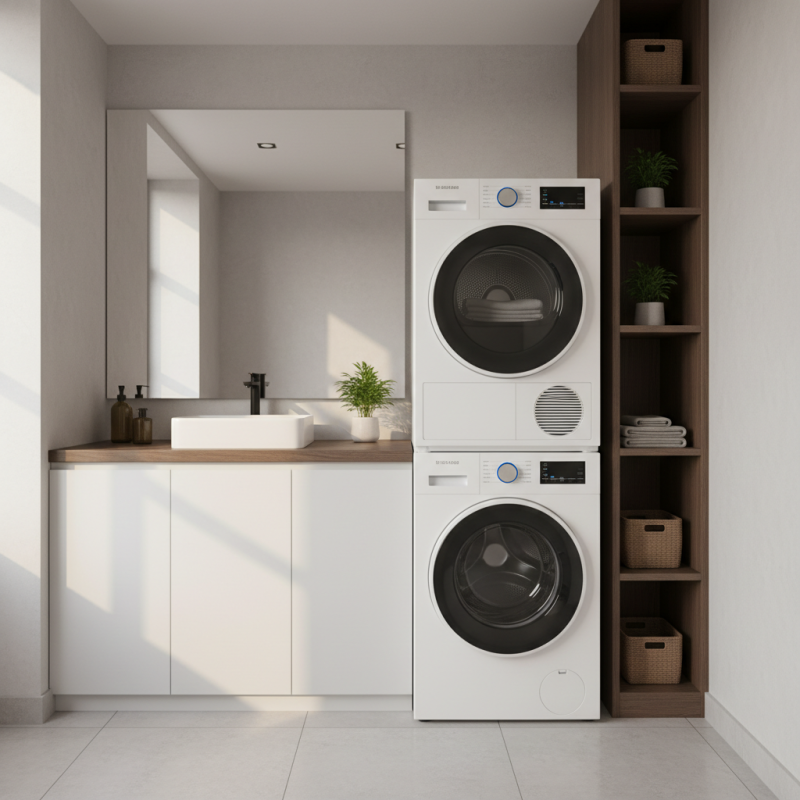
When dealing with limited space, stacking washer and dryer units offer an innovative solution that maximizes functionality without compromising on efficiency. One of the primary benefits of these compact units is their vertical design, which allows homeowners to utilize height rather than width. This is particularly advantageous in apartments or smaller homes where floor space is at a premium. By placing the dryer above the washer, users can free up valuable square footage for other essential items, creating a more organized and spacious environment.
Moreover, stacking units often come equipped with advanced features that enhance washing and drying capabilities while conserving water and energy. Many models are designed to handle larger loads despite their compact size, making them ideal for individuals or families who need to optimize their laundry routines. Additionally, their modern designs can seamlessly blend into small laundry rooms, closets, or even kitchen spaces, ensuring that appliances do not detract from the overall aesthetic. With the combination of space-saving and efficient technologies, stacking washer and dryer units present an ideal option for those looking to make the most of their limited spaces.
Benefits of Stacking Washer and Dryer Units in Limited Space
Key Space-Saving Statistics for Urban Living and Small Homes
When living in urban areas or small homes, space optimization becomes a top priority. Recent statistics reveal that in cities where real estate is at a premium, more than 50% of residents live in homes under 1,000 square feet. This challenge has led many to rethink how they utilize their limited space. The trend towards smaller living arrangements emphasizes the importance of selecting multifunctional appliances, making stacking washer and dryer units an ideal solution for those seeking efficiency without sacrificing living quality.
Stacking washer and dryer systems not only help save square footage but also offer significant functional benefits. They can be installed in closets, utility rooms, or bathrooms, allowing homeowners to reclaim valuable floor space for other uses. Additionally, these compact units often come equipped with advanced technology that enhances performance and reduces water and energy consumption, aligning with eco-conscious living trends. As urbanization continues to rise and space becomes increasingly limited, the importance of space-saving solutions like stacking washers and dryers cannot be overstated.
Comparative Analysis: Stacked vs. Traditional Washer and Dryer Sizes
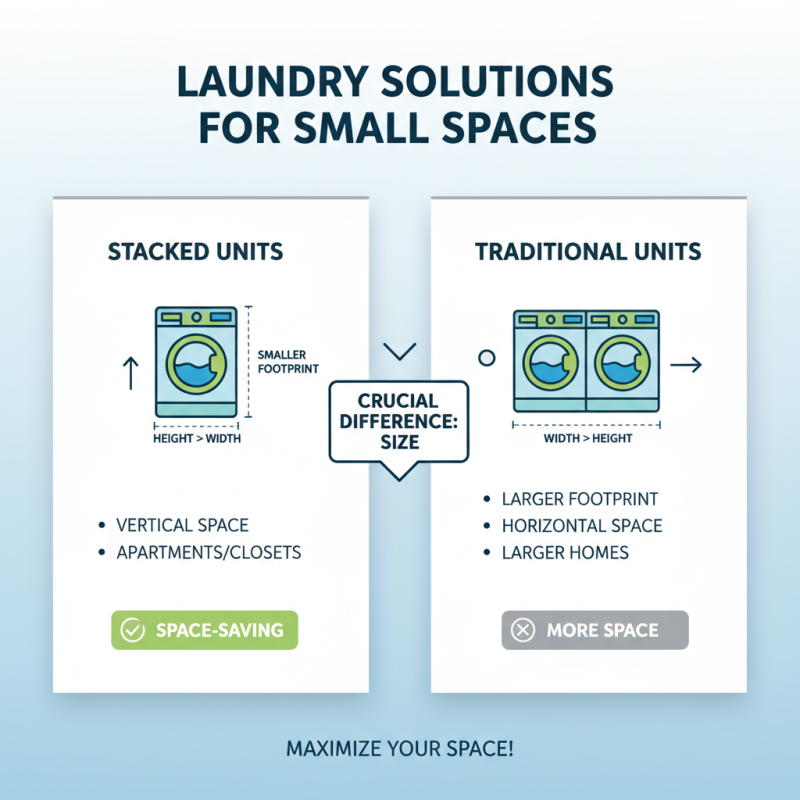
When it comes to laundry solutions for small spaces, understanding the differences in sizes between stacked and traditional washer-dryer configurations is crucial. Stacked washer and dryer units typically occupy a smaller footprint compared to their side-by-side traditional counterparts. This vertical arrangement allows for efficient use of vertical space, making it ideal for apartments, closets, or other compact areas where floor space is limited. The dimensions of stacked units are generally more condensed, which can maximize available room without compromising on laundry capability.
In contrast, traditional washer and dryer pairs often require more dedicated space due to their wider layout. While they may offer larger drum sizes and potentially more features, the space they occupy can be a significant drawback in tighter living situations. For those living in urban environments or smaller homes, that additional space could mean the difference between a functional laundry area and a cluttered living environment. Therefore, when considering laundry appliances for compact settings, opting for a stacked configuration could be the more pragmatic choice, ensuring that efficiency and space preservation are prioritized.
Energy Efficiency Ratings and Cost Savings with Stacked Appliances
Stacked washer and dryer units are increasingly becoming the go-to solution for individuals and families residing in smaller homes or apartments. One of the most significant advantages of these compact appliances is their energy efficiency. According to a recent report from the U.S. Department of Energy, stacked units typically consume 20-40% less energy compared to traditional side-by-side setups, primarily due to advanced technology that optimizes water and electricity usage. This reduction in energy consumption not only diminishes the carbon footprint but also translates into lower utility bills for homeowners, making it a prudent financial move.
Moreover, the cost savings associated with stacked appliances extend beyond just energy efficiency. A study by the Appliance Standards Awareness Project indicates that over the lifespan of a stacked washer and dryer, households can save an average of $300 to $400 in energy costs alone. Additionally, many modern stacked units come with features such as automatic load sensing and energy-efficient cycles, which further enhance their ability to conserve power and resources. As more consumers prioritize sustainability without sacrificing convenience, investing in a stacking washer and dryer in small spaces becomes an increasingly attractive option that aligns with both economic and environmental goals.
Why You Should Consider a Stacking Washer and Dryer for Small Spaces - Energy Efficiency Ratings and Cost Savings with Stacked Appliances
| Appliance Type |
Energy Efficiency Rating |
Average Cost ($) |
Space Required (sq ft) |
Annual Energy Cost ($) |
| Stacked Washer and Dryer |
A++ |
1,200 |
5 |
150 |
| Washer/Dryer Combo |
A+ |
1,000 |
6 |
175 |
| Front Load Washer and Dryer |
A++ |
1,500 |
7 |
130 |
| Top Load Washer and Dryer |
B |
900 |
8 |
200 |
Installation Considerations and Tips for Maximizing Small Areas
When considering a stacking washer and dryer for small spaces, installation becomes a crucial factor in ensuring efficiency and maximizing utility. First, assess the space available. Measure the height, width, and depth of the area where you plan to install the unit. This measurement will help ensure that the appliance fits snugly while allowing for proper ventilation. It's also essential to consider the levelness of the floor; an uneven surface may result in noise and vibration issues during operation.
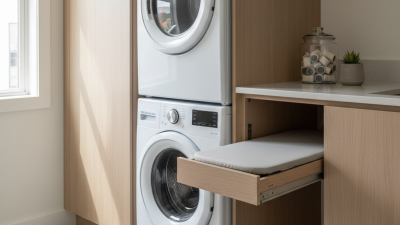
Additionally, consider the plumbing and electrical needs associated with your stacking washer and dryer. Ensure that there is adequate access to both water and a power source. If you are placing the unit in a closet or nook, remember to leave some space for airflow and maintenance access. Utilizing flexible venting options can also help optimize small areas. Lastly, maximizing vertical space can be beneficial; think about adding shelves above the units for storage of laundry supplies, thereby creating a more organized and functional laundry area. By planning the installation process carefully, you can transform a cramped space into an efficient laundry area.