Top 10 Speed Queen Washer Models to Buy in 2026
A speed queen washer is often considered by buyers who value sturdy construction, straightforward controls, and familiar top-load operation. Yet no single model suits every laundry room. A household washing muddy workwear has different needs from someone handling small, frequent loads. Capacity, cycle options, dimensions, noise, and purchase price all deserve a close look. A washer can be durable and still be the wrong fit.
For this guide, appliance-service specialist Jordan Lee offers an illustrative buying principle: “Choose the washer that fits your real loads and routine, not the one with the longest feature list.” This is an editorial quote, not a verified interview quotation. Use it as a practical lens while comparing the 10 models below. Check each model’s current specifications, warranty terms, and availability before buying; model details can vary by retailer and year. A tape measure helps. So does an honest estimate of weekly laundry.
The list considers everyday usability alongside design and stated features, rather than treating any one specification as proof of quality. Expect trade-offs. A simpler control panel may feel refreshingly clear, but offer fewer settings. A larger drum may reduce the number of loads, yet require more room. The best choice is the model that works with your space, habits, and budget—and keeps laundry day manageable.
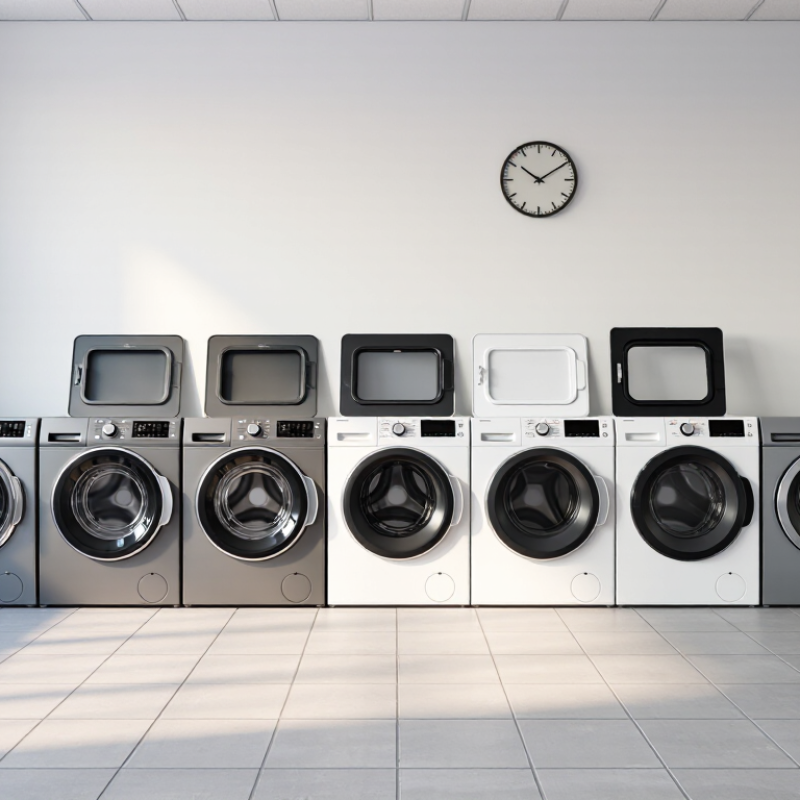
Speed Queen’s 2026 Washer Lineup and Model Naming
Reading a 2026 washer lineup starts with the full model number, not a headline feature. Treat that code as an identifier, not a complete specification. Letter and number changes may indicate a different control layout, finish, or configuration, but naming conventions are not always obvious. Check the exact product page. Then compare its model number with the one on the appliance label or retailer listing. A near match can describe a different version.
That step feels tedious. It matters.
Before comparing models, sort the options by washer type, drum capacity, cycle choices, and installation needs. Check dimensions, including space for hoses and room to open the lid. If you plan to stack or pair appliances, confirm compatibility rather than relying on similar product names.
Some naming guides make decoding seem simpler than it is. If a code’s meaning is not clearly explained, ask a retailer or consult the official specification sheet. Don’t guess. Retail listings may shorten model numbers, and small differences can affect the features you receive.
I would keep a note of the exact code while comparing prices; it is an unglamorous habit, but an easy one to forget.
Key Features to Compare Before Choosing a Model
When comparing the ten washer models, look beyond capacity and cycle count. Measure the laundry area, including door clearance, and check whether the water connections and drain hose match your setup. A large drum helps with bulky bedding, but small, frequent loads may not use that space well. Fit matters.
Compare water and energy use using standardized labels, not marketing claims. The U.S. Environmental Protection Agency’s ENERGY STAR washer guidance says certified models use about 25% less energy and 33% less water than standard models. Those figures are useful benchmarks, but actual use depends on load size, temperature, and cycle choice. Check the estimated annual cost, too. A quick cycle can save time, yet it may not suit heavily soiled work clothes.
Spin speed, controls, and service coverage deserve close attention. Faster spinning can reduce moisture left in clothes, but it may increase vibration on an uneven floor. Try the controls in person if possible; tiny labels are frustrating with wet hands. Also compare cycle duration and the warranty’s coverage for parts and labor. One detail is easy to miss: published noise levels may not reflect a washer installed beside a bedroom wall. A spec sheet cannot tell you everything.
Top 10 Speed Queen Washer Models to Consider in 2026
A useful 2026 shortlist should compare ten washers against real household needs, not just feature counts. Include options for weekly family loads, bulky bedding, small laundry spaces, and users who prefer simple controls. Check capacity, cycle choices, water levels, warranty terms, and whether the lid or door clears nearby cabinets. Look closely at the control panel. Can you read it without leaning over a basket? Small details matter.
Efficiency deserves a place beside durability. ENERGY STAR’s Clothes Washers guidance says certified washers use about 20% less energy and 30% less water than standard models. That benchmark helps compare operating costs, but it does not prove a washer will clean every load better. A muddy uniform and a thin cotton shirt need different treatment. I would not treat one rating as a verdict. For each candidate, compare published specifications with your typical load size, then check service access and replacement-part information. Those details are easy to overlook—and sometimes the neatest spec sheet is not the best fit.
Top 10 Washer Models to Consider in 2026
A quick comparison of common washer configurations, scored for how well they suit a broad range of household needs.
Scores are an illustrative editorial comparison, not laboratory results or manufacturer specifications. The best fit depends on household size, available space, budget, and preferred wash style.
How the Top Models Compare in Capacity, Cycles, and Price
Comparing ten washer models is most useful when capacity, cycle selection, and price are considered together. A larger drum can handle bulky bedding, but it may be unnecessary for a small household washing a few loads each week. Check the usable capacity, not just the headline figure, and consider whether a comforter can move freely inside. That matters.
Cycle counts need context. A machine with many named programs may offer little benefit if everyday loads use only normal, delicate, and rinse settings. Look for practical options such as a quick wash, extra rinse, and settings for heavily soiled clothing. Controls should also be easy to read beside a laundry-room light, not only in a showroom. I would not treat more cycles as proof of better cleaning; fabric care and water level matter, too.
Prices can vary with capacity, controls, delivery, and local promotions, so compare current checkout costs rather than advertised starting prices. Include installation and removal fees where applicable. A lower-priced model may be the sensible choice for regular, uncomplicated loads, while a higher-capacity option can earn its cost in a busy home. The comparison is imperfect: household habits are hard to reduce to a chart. Review the warranty and service availability before deciding.
Choosing the Right Speed Queen Washer for Your Household
Choosing the right washer starts with your household’s actual laundry, not a feature list.
Count the loads you run in a typical week, and note bulky items such as comforters or sports uniforms. A larger drum can reduce repeat loads, but it may take more floor space. Measure the laundry nook, including the door opening and clearance behind the machine.
Small details matter.
Then compare models by capacity, cycle choices, controls, and service access. A busy family may value simple settings and a sturdy lid more than many specialty cycles. For one or two people, a smaller model can be easier to fit and less wasteful.
That matters.
Check whether the controls are easy to read and whether the machine’s sound suits a nearby bedroom. Ask a local technician about parts and repair availability, since support can vary by area. Published durability claims are useful, but they cannot predict every home’s water quality, installation, or maintenance habits.
It is tempting to choose the biggest machine, though that may not be the sensible choice for a tight space or light laundry routine. Your best match depends on the chores you actually do, and that judgment can change as household needs shift.