What Is the Best Stackable Washer Dryer?
Choosing the best stackable washer dryer is not simply a matter of finding the tallest appliance. It is a space, performance, and ownership decision. A compact laundry center must fit beneath cabinets, clear the door swing, and handle your weekly load without excessive vibration. Measure the closet first. A few centimeters can change everything.
ENERGY STAR reports that certified clothes washers use about 20% less energy and 30% less water than standard models. Its dryer guidance also notes that certified dryers reduce energy use, while heat-pump dryers can deliver much larger savings. These figures matter in apartments, where ventilation and utility costs often shape the buying decision. Consumer Reports’ laundry expert Richard Handel offers a useful reminder: “Capacity is only part of the decision.” Cleaning ability, cycle time, noise, repair access, and control design deserve equal attention.
Small details reveal practical quality. Look for a reversible door, a stable leveling system, a clear lint filter, and reachable detergent compartments. A washer that shakes during spin can turn a quiet evening into a wall-rattling nuisance. A dryer with weak airflow may leave towels damp after one cycle. Not glamorous.
This guide compares vented and ventless designs, electric requirements, drum capacity, reliability signals, and real-world usability. It also questions a common assumption: the most technologically advanced model may not be the best choice for every home. Manufacturer specifications can look impressive, yet long-term ownership tells a different story. The best stackable washer dryer should save space without creating new frustrations.
What Defines a Stackable Washer-Dryer: Vented, Ventless, and Heat-Pump Systems
What Is the Best Stackable Washer Dryer?
What Defines a Stackable Washer-Dryer: Vented, Ventless, and Heat-Pump Systems
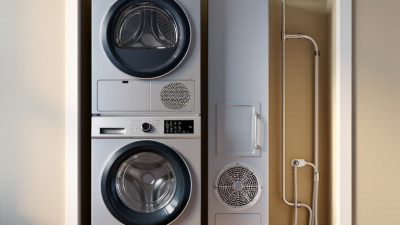
A stackable washer-dryer is not automatically a single machine. It usually means two compatible units secured vertically. The drying system matters more than the tower shape.
Vented dryers push warm, damp air outside through ductwork. They usually dry faster, but installation needs an exterior opening. Ventless condenser dryers collect moisture in a tank or drain line. They suit apartments, although cycles can take longer. Heat-pump dryers also operate without external venting. They recycle warm air instead of creating constant high heat. ENERGY STAR reports that certified heat-pump dryers use about 28% less energy than conventional dryers. The U.S. Department of Energy also identifies heat-pump technology as a major efficiency pathway for residential laundry.
A practical test is simple. Check the wall, drain, door swing, and circuit first. A compact heat-pump unit may save energy, but its longer cycle can frustrate busy households. I once assumed lower energy use meant better performance. That was too simple. Moisture sensors, filter cleaning, and load size still change results. Smaller loads often dry more evenly.
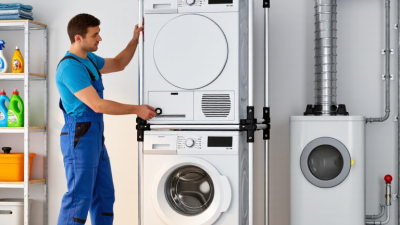
Tips: Measure twice. Leave service space. Confirm stacking hardware compatibility. Choose a vented model for speed when ducting already exists. Choose heat-pump drying when energy savings and flexible installation matter most. Review the latest ENERGY STAR specifications before purchasing.
Capacity and Fit: Comparing 2.5–5.0 Cu. Ft. Washers in 24–27-Inch Towers
What Is the Best Stackable Washer Dryer?
Capacity and fit should guide a stackable washer dryer purchase. A 24-inch tower usually pairs with a 2.5–3.5 cubic-foot washer. It suits one or two people, smaller loads, and narrow closets. A 27-inch tower often provides 4.0–5.0 cubic feet. That space handles bedding more comfortably, but the cabinet may exceed 30 inches in depth.
Measure the entire installation area. Include hoses, vents, doors, and baseboards. Leave clearance above the tower. A tight opening can make repairs frustrating. I once measured the appliance width but ignored the rear water connection. That mistake cost valuable space.
According to AHAM measurement guidance, usable drum volume matters more than advertised exterior size. A larger drum does not automatically clean better. Overloading still reduces movement and rinsing. EPA ENERGY STAR data reports that certified clothes washers use about 20% less energy and 30% less water than standard models. Smaller units may also fit better, but frequent cycles can erase some efficiency gains. The U.S. Department of Energy’s appliance testing procedures emphasize standardized capacity and energy measurements. Compare those figures, not showroom impressions. Check the stack kit, door swing, and floor strength. The perfect fit is rarely perfect._久久爱
What Is the Best Stackable Washer Dryer?
Capacity and fit comparison for common 24–27-inch laundry towers
Compact 24-inch towers commonly offer about 2.5–2.8 cu. ft. of washer capacity, while 25-inch and 27-inch towers typically provide more room for larger loads. Allow additional clearance for doors, hoses, ventilation, and leveling when checking the available space. Specifications vary by model, so confirm the exact dimensions before installation.
Efficiency Standards: ENERGY STAR Washers Use About 20% Less Energy
What Is the Best Stackable Washer Dryer?
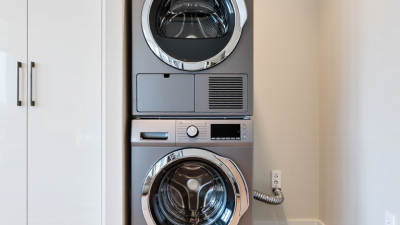
The best stackable washer dryer depends on your space, laundry habits, and energy goals. In a narrow closet, a front-loading pair can leave room for shelves, baskets, or cleaning supplies. ENERGY STAR washers use about 20% less energy than standard models, according to published efficiency criteria. They also typically use less water, which can reduce heating demand during each cycle.
Look for the yellow EnergyGuide label before choosing a model. It estimates yearly energy use under standard testing conditions. Your results may differ. Hot cycles, oversized loads, and frequent drying can quickly change household consumption. A cold-water wash feels practical for everyday clothes, while towels may need stronger settings. Check the washer’s capacity carefully. A large drum is useful, but it can encourage half-full loads.
Installation details matter more than many buyers expect. The stacked unit needs a level floor, stable connections, and enough clearance for ventilation and door movement. I once underestimated closet depth and found that hoses pushed the machine forward. That small error made the doors harder to close. A quieter spin cycle may also matter in an apartment, especially during evening loads. Choose controls that are easy to read, and compare annual energy figures rather than trusting attractive cycle counts. Dryer efficiency deserves equal attention, because drying often consumes more energy than washing.
Drying Performance: Heat-Pump Dryers Can Use About 28% Less Energy
What Is the Best Stackable Washer Dryer?
A stackable washer dryer should fit your space without making laundry feel like a daily chore.
Drying performance matters just as much as washing capacity. Heat-pump dryers can use about 28% less energy than conventional electric-resistance dryers in some comparisons. The exact saving depends on the model, load size, fabric type, and testing method.
Heat-pump systems recycle warm air instead of sending heated air outside.
This process usually lowers electricity use and reduces heat loss in the room. A cotton load may feel dry, but thicker towels can still need extra time. That matters. Longer cycles are a common trade-off, especially when the drum is packed tightly.
A reliable stacked unit should include clear lint-filter access, moisture sensors, and a simple way to clean the condenser area.
These details affect performance after months of use. Leave space around the appliance as the manual requires. Restricted airflow can increase drying time and energy consumption. Small details matter.
When comparing models, check measured energy use rather than relying only on advertised capacity.
Look for cycle duration, noise levels, temperature settings, and repair access. A compact design may save floor space but provide less room for bulky bedding. The most efficient option is not always the fastest one. That is worth reconsidering before purchase.
Choosing the Best Pair: Reliability, Cycle Time, Noise, Cost, and Warranty
What Is the Best Stackable Washer Dryer?
Choosing the best stackable washer dryer requires more than comparing prices. Reliability should come first, because a cramped laundry closet makes repairs harder. Consumer Reports’ 2024 laundry-appliance research separates predicted reliability from owner satisfaction, which is a useful warning. A quiet machine can still fail early. Look for a strong service network, accessible filters, and clear error codes. Cycle time also matters. Many modern wash programs exceed one hour, while sensor drying can add another 30 to 60 minutes. Check actual program charts, not only the “quick wash” label.
Noise is measured in decibels, but installation changes the result. An uneven floor can make a quiet washer shake like a loose shopping cart. Energy use affects long-term cost. ENERGY STAR reports that certified clothes washers use about 20% less energy and 30% less water than standard models. The U.S. Department of Energy also recommends comparing annual energy use, not just purchase price. Warranty length deserves equal attention. Read coverage for labor, control boards, drums, and stacked installation. A five-year parts warranty may sound impressive, yet labor could end after one year.
Tips: Measure ceiling height, vent clearance, door swing, and outlet position first. Run a spin cycle before final installation. Listen near the wall. My checklist is imperfect; household habits change everything. If you wash heavy bedding weekly, capacity and balance may matter more than a shorter cycle. If you rent, easier access and lower vibration may justify a higher upfront cost. Keep the warranty and installation receipt together. Don’t rely on memory.