How to Choose the Best Stackable Washer Dryer?
Choosing the best stackable washer dryer is not simply about finding the tallest appliance at the lowest price. It requires careful attention to capacity, ventilation, energy use, installation limits, and daily laundry habits. A compact laundry closet may look suitable, yet a few missing inches can prevent safe door movement or proper hose connections. Measure the space carefully, including depth for valves, vents, and power cords.
Real-world performance also matters. A washer with a ten-pound capacity may suit one person, but a busy household could need more room. Look for balanced spin cycles, clear control panels, moisture sensors, and dependable service coverage. Energy Star ratings can help compare efficiency, while manufacturer specifications confirm stacking-kit compatibility. Retailer reviews may reveal noise, vibration, or repair concerns that laboratory data cannot show.
Do not trust every “best” list.
The ideal unit depends on your home, budget, and maintenance expectations. Electric dryers are often simpler to install than gas models, but local requirements still deserve professional confirmation. Ventless heat-pump dryers can work well in apartments, although their cycles may take longer. I have learned that convenience sometimes hides trade-offs: a shallow machine may sacrifice capacity, and advanced settings may complicate everyday use. This guide examines those compromises with practical questions, verified specifications, and realistic ownership considerations. It aims to help readers make a confident choice without treating one product as perfect for everyone. Small details matter. A thoughtful comparison can prevent expensive installation mistakes and disappointing laundry results.
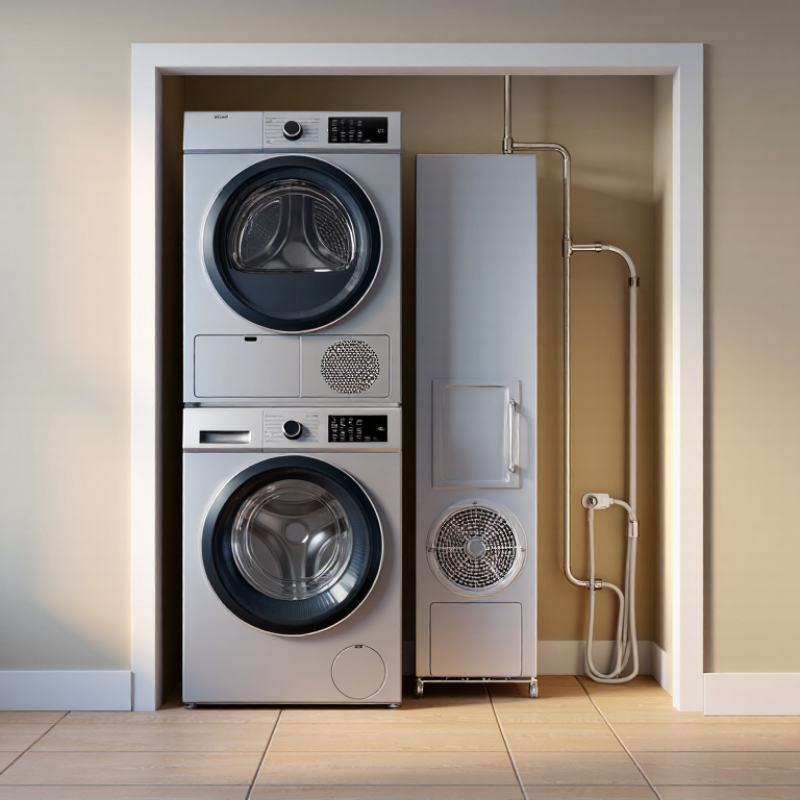
What Is a Stackable Washer Dryer and How Does It Work?
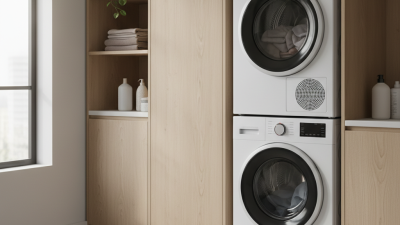
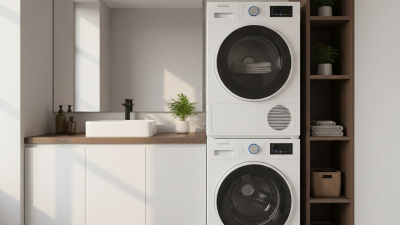
A stackable washer dryer is a washing machine and dryer arranged vertically. The dryer sits above the washer, saving valuable floor space. Most sets use front-loading doors and a compatible stacking kit for stability. Never place one appliance directly on another without approved hardware.
The washer fills with water, mixes detergent, and rotates clothes through several wash movements. It then removes water during a high-speed spin cycle. The dryer tumbles the damp clothing with heated air or a heat-pump system. Moisture leaves through a vent or collects for drainage, depending on the design. The controls may work separately, although some models share one central panel.
Choosing the right setup requires measuring more than width. Check ceiling height, door clearance, hose length, electrical requirements, and ventilation access. A narrow laundry closet may suit a stacked pair, but cramped doors can make loading uncomfortable. In real homes, vibration often matters as much as capacity. An uneven floor can create loud movement, even with a quality machine. I would also compare drum sizes, drying time, repair access, noise ratings, and energy use. The cheapest purchase may become expensive if small loads require repeated cycles. Look closely at installation instructions. They are easy to ignore.
Which Space, Capacity, and Layout Requirements Should You Check?
Choosing the best stackable washer dryer starts with your actual space, not advertised dimensions. Measure the width, depth, and height of the opening. Include baseboards, pipes, doors, and nearby shelves. Leave several centimetres for hoses, airflow, and maintenance access. Measure twice.
A tight fit can still create problems. The floor should be level and strong enough to support both machines. Check the ceiling height before choosing a stacked layout, especially in a closet. A taller unit may block shelves or make the dryer controls difficult to reach. Small details matter.
Capacity should match your weekly laundry habits. One or two adults may manage well with a compact drum. Larger households need more room for towels, bedding, and frequent clothing loads. Remember that the dryer may handle less laundry than the washer. Overfilling can leave clothes damp and increase wrinkles. I once underestimated bedding space, and the smaller drum became frustrating quickly.
Review the installation guide for water, drainage, electrical, and ventilation requirements. Confirm that the washer and dryer are designed for safe stacking, using the correct hardware. Never rely on a homemade platform. Check door swing, hallway width, stair turns, and access to filters. A layout that works on paper may fail during delivery. That detail is easy to miss.
How Do Washer Dryer Types and Features Compare?
Choosing the best stackable washer dryer starts with identifying the right design for your home. A matched front-loading pair usually offers better washing and drying performance. Separate drums also let you wash one load while drying another. This matters in busy households. However, the pair needs a firm stacking kit and accurate measurements. Small rooms punish careless planning.
An all-in-one washer dryer saves floor space and simplifies installation. It suits apartments where moving wet laundry is difficult. Yet one drum handles both jobs, so drying may take longer. Vented dryers release warm air outside and need suitable ductwork. Condenser models collect moisture in a tank or drain it away. Heat-pump dryers recycle warm air, use less energy, and operate at lower temperatures. They often cost more initially. Check ventilation requirements before choosing.
Compare capacity, cycle length, noise, and energy use rather than relying on appearance. Moisture sensors can prevent over-drying and protect delicate fabrics. Anti-vibration controls help when the tower stands near a bedroom. A reversible door may improve access. Very useful. I tend to favor heat-pump models for frequent drying, but their slower cycles can test patience. A larger drum is not always better if your usual loads are small. Review the warranty, service access, and filter-cleaning process carefully. Those details often matter more after installation.
How to Choose the Best Stackable Washer Dryer?
How do washer dryer types and features compare?
How to read the chart: Full-size stacked pairs generally provide the largest washing and drying capacities. Compact stacked units save floor space but handle smaller loads. Ventless all-in-one machines are convenient where exterior venting is unavailable, although their drying capacity is usually lower than their washing capacity.
The figures show representative capacity specifications commonly found in residential laundry equipment. Actual capacity varies by model, installation requirements, fabric load, and selected cycle.
How Can You Select the Right Model for Your Home and Budget?
How to Choose the Best Stackable Washer Dryer?
Choosing the right stackable washer dryer starts with your room, not the feature list. Measure the alcove carefully, including height, depth, door clearance, and nearby water connections. Leave extra space for hoses and ventilation. A narrow laundry area may need a compact model, while a busy household benefits from a larger drum. Check that both units are approved for stacking together. I once underestimated door clearance, and loading clothes became awkward.
Tips
Compare the total cost, not only the purchase price. Include installation, stacking hardware, delivery, electricity, water, and possible repairs. Select a capacity that matches your weekly laundry habits. An oversized drum can waste energy when only half full. A very small drum may create extra cycles.
Look for clear controls, adjustable feet, moisture sensors, and accessible lint filters. These small details matter during real use.
Think about your home’s electrical supply and drying setup before buying. Some dryers need special outlets or external ventilation. Others use heat-pump technology, which can reduce energy use but often costs more initially. Check energy labels and verified product documentation. Warranty length and local repair support also affect long-term value. My practical preference is simple controls, quiet operation, and parts that are easy to reach. Fancy programs are tempting, but I rarely use most of them.