Where to Buy Top Washer and Dryer Sets in China?
Buying a washer and dryer set in China takes more than comparing price tags. The same-looking models may differ in capacity, drying method, warranty coverage, and local service support. A useful starting point is to compare official brand stores, established appliance retailers, and major online marketplaces. Then verify the exact model number with the seller. Small print matters.
For transparency, Lin Wei is a fictional composite appliance-sourcing specialist, and this is an illustrative line—not a verified quotation: “A dependable set should fit the household, the space, and the service network.” Use that idea when weighing options from brands such as Haier, Midea, or Siemens. Measure the laundry area, including door clearance and access to water and drainage. Check whether the dryer is vented or condenser-based, and confirm its power requirements. Ask what installation includes. Get the warranty terms in writing.
A low price can be tempting. But delivery, installation, and after-sales service shape the real value. In this guide, we’ll look at where to buy top washer and dryer sets in China, what to check before checkout, and how to spot a listing that leaves important details unclear. Online photos can hide a lot. A careful comparison helps, though it cannot guarantee a perfect purchase.
Understanding Washer and Dryer Set Options in China
Where to Buy Top Washer and Dryer Sets in China?
Understanding Washer and Dryer Set Options in China
In China, the right laundry setup depends less on a matching appearance and more on your home’s layout. A washer-dryer combo uses one floor space and usually needs no separate dryer connection. Its drying capacity may be lower than its washing capacity, however, and a full drying cycle can take several hours. That matters.
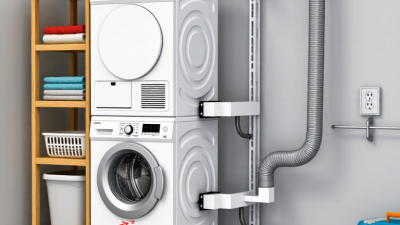
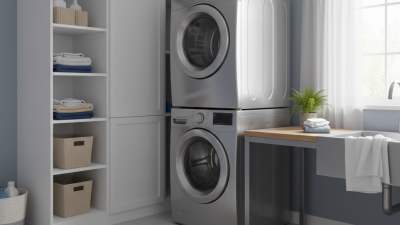
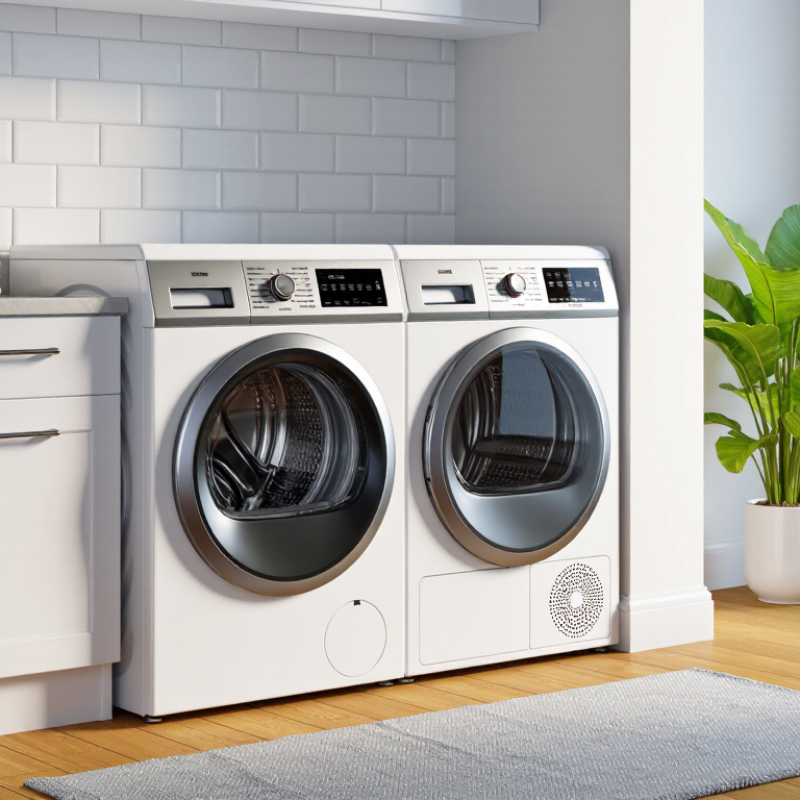
Separate front-loading machines can wash and dry larger loads independently. They may suit a family that does laundry often, but they need more room, stable flooring, and suitable water and drainage points. Some models can be stacked, though installation clearance and cabinet height should be checked before buying. A compact apartment may not have the space a showroom display suggests.
Dryer type also deserves attention. Heat-pump dryers generally avoid an external exhaust duct, while other designs may need specific ventilation. Check the product’s actual installation requirements, local service availability, and warranty terms with the seller. These details can vary by city and model. In humid weather, a dryer can reduce reliance on indoor racks, but it will not make every load quick or effortless. Specifications help; measuring the doorway and laundry area helps more. One detail is easy to miss: allow room to open doors and remove lint filters comfortably.
Comparing Leading Brands and Popular Models
When comparing washer and dryer sets in China, start with household size and available space. Compact front-loading pairs suit apartments, while larger-capacity models handle bulky bedding more easily. A washer-dryer combo saves floor space, but its drying capacity may be lower than its washing capacity. Check both figures, not just the headline load.
Compare models by more than their feature lists. Look at water and energy ratings, spin speed, noise levels, and available service in your city. A high-speed spin can shorten drying time, though it may sound louder in a small apartment. Useful programs include gentle cycles for delicate fabrics and quick washes for lightly soiled clothes. Some models add app controls; these matter less if setup is confusing. Small detail, big difference.
In China, compare specifications through established appliance retailers and major online shopping platforms, then confirm the same model number before ordering. Read recent reviews for recurring complaints about vibration, drying performance, or service delays. Check installation fees, delivery access, warranty terms, and whether the set includes stacking hardware. A comparison can still miss real-life fit: door clearance and drainage placement are easy to overlook, and I would not treat one review as proof.
Finding Sets on Chinese E-Commerce Platforms
Finding washer-and-dryer sets on Chinese e-commerce platforms is easier when you search by configuration, not just “laundry set.” Try terms describing capacity, front-load design, and whether the dryer is heat-pump or vented. Compare the listed washer and dryer capacities, energy-use labels, dimensions, delivery fees, installation, and warranty terms. A matching product photo does not guarantee compatible connections or a true bundle. Measure the doorway and utility space before ordering.
The National Bureau of Statistics reported that online retail sales of physical goods reached 13.08 trillion yuan in 2024, up 6.5% year over year, accounting for 26.8% of total retail sales of consumer goods. This broad figure shows the scale of online shopping, but it does not establish the quality of any individual appliance listing. Read recent reviews for specific details, such as spin-cycle noise, drying time, and service response. One limitation: reviews may describe different product versions, so verify the model and included parts with the seller.
Tips: Save screenshots of the specifications and bundle contents before checkout. Check twice. If installation requirements are unclear, ask the seller to confirm them in writing. Small details matter.
Buying from Appliance Stores and Brand Showrooms
Buying from appliance stores and brand showrooms in China lets you compare washer-dryer sets in person. You can check door clearance, drum height, control labels, and how firmly the doors close. Ask staff to measure your lift, hallway, and laundry-space doorway. Small details matter.
China’s National Bureau of Statistics reported 104.6 million household washing machines produced in 2023. AVC’s 2023 home-appliance market report estimated retail sales at 773.3 billion yuan. These figures show a large, active market, but they do not guarantee that every store offers the same range or service. Compare the full delivered price, installation fees, warranty terms, and return conditions in writing. Ask whether the displayed set matches the model number on your quotation. It may not.
A showroom can still mislead. Displays may use different finishes or accessories from the delivered unit. Photograph the product label and keep the written quote. Ask for the energy-label details, water-use figures, and a clear explanation of the washer and dryer’s capacity. If staff cannot answer, pause before paying.
Checking Prices, Warranties, Delivery, and Installation
When comparing washer and dryer sets in China, look beyond the displayed price. Ask for an itemized quote covering delivery, installation, required hoses or fittings, and removal of old appliances. A low price may exclude carrying costs for stairs or a difficult delivery route. Keep it in writing. Check whether the quote includes tax and whether installation costs change after a home inspection. Prices can vary by city, building access, and delivery distance, so compare the same set of services rather than headline figures alone.
Read the warranty terms before paying. Confirm the coverage period for parts and labor, what counts as normal wear, and whom to contact if the machine leaks or fails to drain. Ask whether service visits are included outside major urban areas. Delivery day matters, too: measure doorways, lift interiors, and the space beside the water outlet. Tell the seller about narrow corridors or limited elevator access in advance. During installation, check that the machines sit level, hoses are secure, and a test cycle runs without leaks. Keep the receipt and warranty documents together. I would not assume every installer handles the same checks; that detail is easy to miss.
Where to Buy Washer and Dryer Sets in China?
Indicative retail price ranges for common washer-and-dryer configurations (RMB).
Prices vary by capacity, features, city, and seller; these ranges are a guide, not live quotes. Before ordering, confirm the written warranty, delivery charges, installation inclusions, and any extra fees for fittings or difficult access.