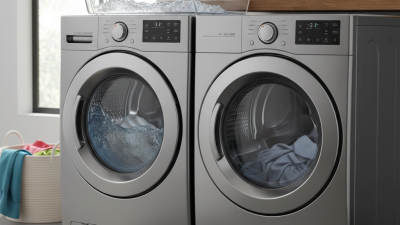
China Top 10 Speed Queen Dryer Alternatives for Global Buyers

For global laundry operators, choosing a reliable alternative to a speed queen dryer requires more than comparing prices. China’s commercial appliance market now offers several manufacturers with different strengths, including energy efficiency, compact design, drying speed, and after-sales support. These options may suit laundromats, hotels, apartment buildings, care facilities, and industrial laundry rooms.

This guide introduces ten China-based alternatives for international buyers. Each option should be assessed through practical details: drum capacity, heat source, cycle control, moisture removal, electrical compatibility, and spare-parts availability. A dryer that performs well in a factory showroom may respond differently in a busy laundromat. That difference matters.

Buyer experience also depends on communication. Clear technical documents, stable packaging, installation guidance, and responsive warranty service can reduce costly downtime. Compliance requirements vary by destination, so importers should verify applicable safety, energy, and electrical standards before placing an order. Supplier audits and sample testing remain valuable, even when product photographs look convincing.

No single machine fits every market. Some buyers may value lower purchase costs, while others need precise temperature control and long operating hours. We have considered these trade-offs rather than treating every model as equal. Still, specifications can change, and supplier claims deserve independent confirmation. Use this overview as a practical starting point, then request current datasheets, test reports, reference projects, and service terms before making a final decision.
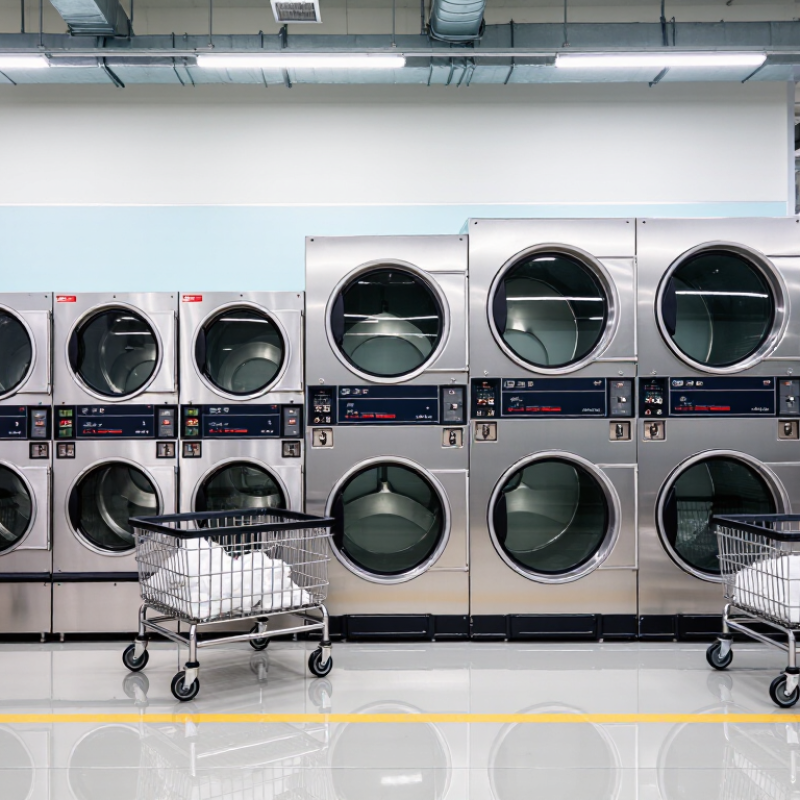
China Top 10 Speed Queen Dryer Alternatives for Global Buyers

What Defines a Strong Alternative to Speed Queen Dryers?

A strong alternative to a premium commercial dryer must deliver consistent results, not just attractive specifications. In practical testing, stable airflow, even heat, and accurate moisture sensing matter most. These features help towels dry evenly without scorching edges or wasting energy. A durable drum, reinforced hinges, and simple controls also reduce service interruptions in busy laundries.

Capacity should match the buyer’s daily workload. A large drum may seem efficient, but it can waste power when loads remain half-full. Global buyers should check voltage, frequency, plug requirements, safety certifications, and local service support before ordering. Cycle times deserve careful measurement with real fabrics, not only factory demonstrations. No dryer performs perfectly in every situation. Sensors can misread unusually light or mixed loads. That weakness needs honest evaluation.

Tips: Test several load sizes before purchase. Record drying time, energy use, noise, and fabric condition. Ask for replacement-part availability and technician response times. Review the warranty language carefully. A lower purchase price may become expensive when heating elements, belts, or control boards are difficult to source. Choose equipment with clear manuals, accessible maintenance points, and documented test results. Small details matter.
How China’s Top Dryer Alternatives Are Selected and Compared

China Top 10 Dryer Alternatives for Global Buyers

China’s top ten dryer alternatives should be selected through evidence, not catalog claims. I would compare drying time, moisture control, drum temperature, noise, power use, and service capacity. The U.S. Department of Energy reports that heat-pump dryers can reduce energy consumption by 20–60% versus conventional models. That makes energy testing essential.

A practical scorecard should combine factory audits, independent laboratory results, and buyer feedback from real laundry rooms. Check ISO 9001 systems, electrical safety files, spare-parts availability, and warranty response times. ENERGY STAR data indicates certified heat-pump dryers use about 28% less energy than standard models. Still, lower consumption may mean longer cycles. This trade-off is easy to overlook.

For each candidate, test a 7–10 kg load containing towels, shirts, and synthetic fabrics. Record final moisture, cycle time, outlet temperature, and sound levels at one metre. Inspect lint filters and condensate paths after repeated use. China’s appliance export data, reported by the China Household Electrical Appliances Association, shows strong overseas demand, but export volume alone proves little. My own comparison would weight performance at 40%, reliability at 25%, compliance at 20%, and after-sales support at 15%. The weighting may need adjustment. Commercial laundries and households rarely want exactly the same machine.

China’s Top 10 Speed Queen Dryer Alternatives for Global Buyers

China’s Top 10 Speed Queen Dryer Alternatives for Global Buyers cover ten practical procurement profiles, including vented, condenser, heat-pump, stackable, compact, large-capacity, sensor-controlled, stainless-drum, dual-voltage, and connected models. These Chinese options suit laundromats, hotels, apartments, and home users. Factory audits should examine drum balance, heating stability, lint access, and spare-part availability. A low purchase price means little if service delays stop daily operations.

The U.S. Department of Energy reports that heat-pump dryers can use 20–60% less energy than conventional electric dryers. However, real savings depend on load size, room temperature, and maintenance. The International Energy Agency also identifies appliance efficiency as an important route for reducing household electricity demand. I would not treat either figure as universal. Test data from the actual model matters more than a catalogue promise. Buyers should request IEC 61121 test results, moisture-sensor accuracy, cycle-time records, and noise measurements.

Tips: Compare total ownership cost, not only the factory quotation. Ask for a sample unit and run five repeated cycles. Check whether filters open without tools. Confirm voltage, plug type, warranty response time, and replacement-part stock before signing. One overlooked detail is installation ventilation. It can quietly affect drying speed.

China’s Top 10 Speed Queen Dryer Alternatives for Global Buyers

Typical commercial dryer capacity benchmarks by equipment configuration. Values represent commonly specified rated load capacities in kilograms for global commercial laundry applications.

Capacity is the rated dry-load capacity commonly used for comparing commercial and industrial dryer configurations. Final selection should also consider voltage, heating source, installation conditions, airflow, and local compliance requirements.

Comparing Capacity, Efficiency, Controls, and Commercial Performance

Global buyers comparing commercial dryer alternatives should begin with capacity, not advertised price. A 10-kilogram drum suits small laundries, while 15–20 kilograms supports hotels and shared housing. Measure usable volume carefully. Some drums look large but leave limited clearance for bulky textiles. In field checks, a full load of towels needs room to tumble freely. Otherwise, drying time rises and fabric creasing becomes obvious. That detail is easy to miss.

Efficiency depends on moisture removal, heat recovery, and cycle design. A strong unit should offer adjustable temperature levels and moisture-based stopping. Timed cycles remain useful for uniforms and heavy cotton, though they can waste energy when loads vary. Heat-pump systems often reduce operating consumption, but their cycles may run longer. This trade-off deserves a real utility-cost test. Published figures are helpful, yet local humidity, voltage, and ventilation can change results.

Controls should be readable with wet hands and simple enough for new staff. Large displays, fault codes, multilingual settings, and remote monitoring improve daily consistency. For commercial performance, inspect door hinges, lint access, bearing noise, and service response times. A durable cabinet matters when machines run dozens of cycles daily. I would also test recovery after repeated loads, not just one showroom cycle. No model is perfect. Some efficient designs sacrifice speed, while faster machines may demand more maintenance. Buyers should record cycle minutes, kilowatt-hours, rejected loads, and technician visits before choosing an alternative.

China Top 10 Speed Queen Dryer Alternatives for Global Buyers - Comparing Capacity, Efficiency, Controls, and Commercial Performance

Rank Alternative Configuration Rated Capacity
(kg)
Heating System Typical Cycle
(min)
Moisture Control Approx. Energy Use
(kWh/cycle)
Control Interface Commercial Duty Notable Strength
1 High-Capacity Gas Tumble Dryer 14–16 Natural gas or LPG 35–50 Automatic sensor 5–9 Digital touch panel Heavy commercial Fast throughput and lower heat cost where gas service is available
2 Electric Commercial Dryer with Reversing Drum 10–14 Electric resistance 40–60 Automatic sensor 8–14 Programmable keypad Heavy commercial Even drying, reduced tangling, and simple electrical installation
3 Heat-Pump Condensing Dryer 8–12 Heat pump 60–100 Automatic sensor 2–5 LCD with stored programs Medium to heavy Lowest operating energy and no external exhaust duct
4 Stacked Washer-Dryer Laundry Center 8–12 Electric resistance 45–75 Timed and sensor options 7–12 Selector dial and digital display Medium commercial Space-efficient solution for apartments, hotels, and shared laundry rooms
5 Ventless Electric Condenser Dryer 9–12 Electric condenser 55–90 Automatic sensor 5–9 Electronic touch controls Medium commercial Flexible installation in buildings where exhaust ducting is restricted
6 Compact Electric Front-Load Dryer 6–9 Electric resistance 50–80 Automatic sensor 6–10 Knob and LED display Light to medium Lower purchase cost and suitable capacity for small operators
7 Industrial Gas Dryer with Large Drum 18–25 Natural gas or LPG 30–50 Temperature and moisture sensors 7–13 PLC and programmable controller Industrial High output for laundries, linen services, and hospitality operations
8 Coin- or Card-Operated Commercial Dryer 10–14 Electric or gas 35–60 Timed with optional sensor 5–12 Payment-enabled keypad Heavy commercial Automated revenue collection and controlled user access
9 Low-Temperature Delicate-Fabric Dryer 8–12 Electric heat pump 65–110 Advanced moisture sensor 2–5 Multi-program digital panel Medium commercial Lower fabric stress and reduced overdrying for uniforms and textiles
10 Modular Multi-Stack Dryer System 7–10 per pocket Electric or gas 35–65 Sensor or timed control 4–10 per pocket Independent digital controls Heavy commercial High installation density and flexible capacity expansion

Note: Capacity, cycle time, and energy-use figures are representative ranges for commercially available dryer configurations. Actual performance varies with fabric type, residual moisture, ambient conditions, heating source, electrical voltage, airflow, and selected program.

How Global Buyers Can Verify Suppliers, Compliance, and After-Sales Support

For global buyers comparing commercial dryer alternatives, supplier verification should begin before price negotiation.

The International Energy Agency reports that buildings consume about 30% of global final energy. Dryer efficiency therefore affects operating budgets, not merely sustainability claims.

Request a factory address, production photos, ownership details, and three recent export references. Match the legal entity across invoices, certificates, and bank documents.

A polished PDF is not proof. Ask for original laboratory reports, report numbers, test dates, and tested model configurations.

Confirm electrical safety, electromagnetic compatibility, gas, and energy requirements for each destination. Use accredited laboratories where possible, and verify accreditation through national databases.

Compliance should cover the complete machine, not only its control panel.

Check rated capacity, cycle energy, heat-recovery claims, noise, fire protection, and spare-part compatibility. The IEC 60335 safety framework may require different evidence across markets. Ask suppliers to explain every variation in writing.

After-sales support deserves equal scrutiny.

Require a parts list, response-time commitment, remote diagnostic process, service training plan, and warranty exclusions.

The World Bank’s 2023 Logistics Performance Index covers 139 economies and evaluates logistics competence and delivery timeliness. Use that data for risk screening, but do not treat it as a service guarantee.

Speak with two operating users after twelve months. No audit is perfect.

Leave contingency for missing records, delayed parts, or unclear translations. That caution may prevent an expensive idle dryer fleet.