Top Front Load Washer and Dryer Sets for Global Buyers

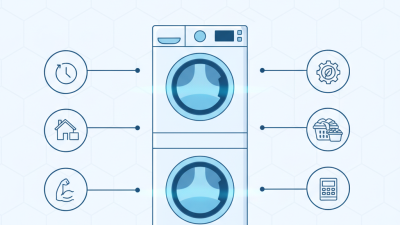
Choosing a front load washer and dryer set can be straightforward—until you compare models across markets. A compact laundry pair may fit a city apartment but struggle with bulky bedding. A larger unit can save repeat loads, yet needs more room, suitable hookups, and a clear delivery path. Measure the doorway, laundry area, and space for the doors to swing before comparing features.

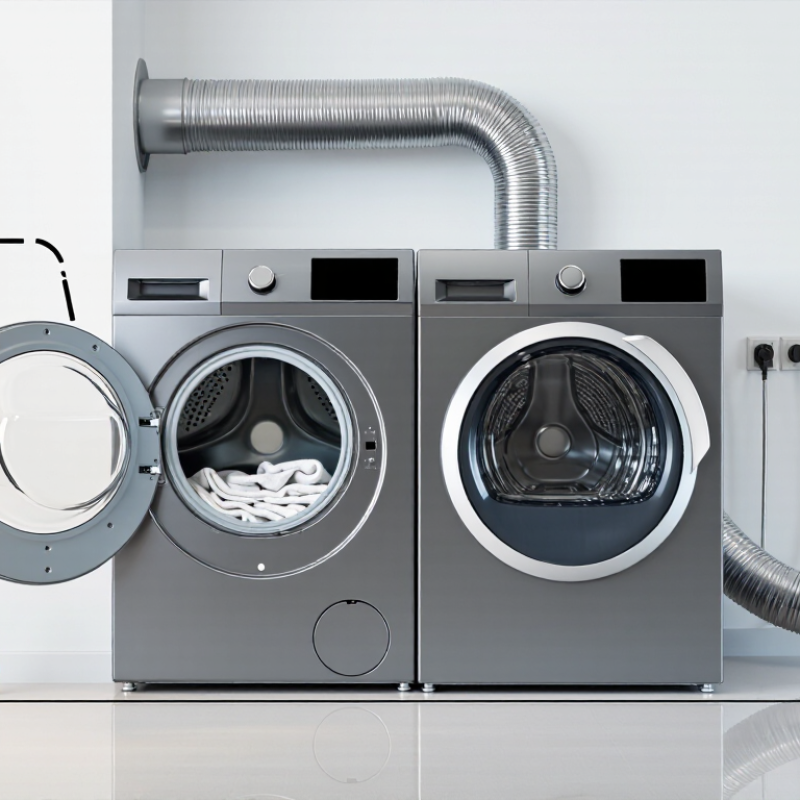
Global buyers should check more than capacity and appearance. Confirm the voltage, frequency, plug type, water connections, and dryer venting requirements for the intended location. These details vary by model and market, so the product manual and local seller’s specifications matter more than a broad online description. Energy and water labels can help, but rating systems differ between regions. Compare them within the same market when possible.

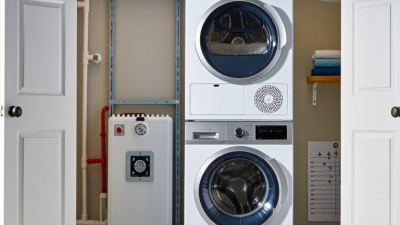
Look closely at spin speed, cycle options, noise information, and the dryer’s heating method. A fast spin may leave clothes less wet, but it does not make every fabric suitable for high heat. And installation matters. Stacked units may need a compatible kit, while some vented dryers require an external exhaust route. Warranty coverage, spare-part access, and local service availability deserve equal attention; a low purchase price can feel less attractive when repairs are difficult to arrange. There are trade-offs. No single set fits every household, and published specifications may not reflect real laundry habits. This guide helps buyers compare practical options, spot questions worth asking, and choose with fewer assumptions.
Top Front Load Washer and Dryer Sets for Global Buyers

Front-Load Basics: 7–12 kg Washers and 7–10 kg Dryers for Global Homes

Top Front Load Washer and Dryer Sets for Global Buyers

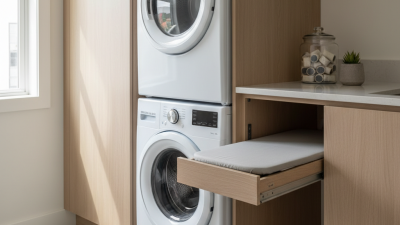
Front-load basics begin with capacity. A 7 kg washer suits singles, couples, and lighter weekly loads. Families may prefer 9–12 kg for towels, bedding, and school clothes. A 7 kg dryer matches smaller washers well. Larger households can consider 8–10 kg dryers. Leave space around both machines for doors, hoses, and ventilation.

In my experience, capacity matters less than loading habits. An oversized drum can waste water and energy when used half-full. A compact washer may struggle with thick blankets. Check the drum opening, not just the listed kilograms. For dryers, moisture sensors can reduce overdrying. This helps protect shirts and bedding. Still, sensor programs are not perfect with very small loads.

Tips: Measure the doorway and installation area before ordering. Check voltage, plug type, drainage, and local service access. Choose a dryer with a reverse-tumble option for fewer twisted sheets. In humid homes, allow airflow around the appliance. Do not stack units without a compatible kit. A 9 kg washer beside a 9 kg dryer may look balanced, but household laundry patterns should decide the final pairing.

Efficiency Benchmarks: ENERGY STAR Washers Use 20% Less Energy and 30% Less Water

For global buyers, efficiency figures can make a washer set easier to compare. ENERGY STAR-certified front-load washers use about 20% less energy and 30% less water than conventional models, according to the benchmark stated here. That difference matters in homes with frequent laundry loads, especially where water or electricity costs are high. A cold-water cycle can reduce energy use further for many everyday items. Small details count.

Still, the benchmark is not a promise for every household. Load size, cycle choice, water temperature, and local utility rates all affect actual savings. Front-load machines also need enough room for the door to open fully, and their seals should be left dry after use. Not glamorous, but useful. When comparing a washer-and-dryer set, check capacity, cycle options, voltage, and installation dimensions for your home. A dryer with moisture sensing may help avoid unnecessary runtime, though results depend on how loads are sorted and dried. The numbers are a strong starting point, not the whole decision. Some buyers may still favor a simpler model, and that trade-off deserves an honest look.

Top Front Load Washer and Dryer Sets for Global Buyers

Efficiency Benchmarks: ENERGY STAR Washers Use 20% Less Energy and 30% Less Water

The conventional washer is indexed at 100. Based on ENERGY STAR efficiency benchmarks, certified clothes washers use approximately 80% as much energy and 70% as much water as conventional models, representing reductions of 20% and 30%, respectively. Actual consumption varies by model, load size, cycle, and local operating conditions.

Dryer Performance: ENERGY STAR Models Use About 20% Less Energy Than Standard Units

Top Front Load Washer and Dryer Sets for Global Buyers

Dryer performance deserves close attention when comparing front load sets. The U.S. Environmental Protection Agency’s ENERGY STAR program reports that certified dryers use about 20% less energy than standard models. This difference comes from improved moisture sensors, heat management, and shorter drying cycles. For a household running four loads weekly, those savings can reduce electricity use over many years.

ENERGY STAR testing also estimates lifetime utility savings of roughly 210 dollars for qualifying electric dryers, although local energy prices change the result. A practical test is simple: place a damp towel inside, select a normal cycle, and check whether it feels evenly dry. Clothes should not leave the drum hot and wet. That suggests inefficient moisture removal.

Global buyers should check voltage, frequency, plug design, and venting requirements before ordering. A ventless heat-pump dryer may suit an apartment, while a vented model can dry faster where installation allows. The International Energy Agency identifies household appliances as an important part of residential electricity demand, making efficiency more than a marketing detail. Still, the 20% figure is not universal. Heavy fabrics, overloaded drums, blocked filters, and frequent high-heat cycles can erase expected savings. My practical concern is often overlooked: an efficient dryer performs poorly when users ignore airflow and maintenance.

Top Front Load Washer and Dryer Sets for Global Buyers - Dryer Performance: ENERGY STAR Models Use About 20% Less Energy Than Standard Units
Buyer-focused comparison of common front-load configurations. Actual performance depends on model design, operating temperature, load size, local electricity rates, and certification requirements.
Performance Dimension ENERGY STAR-Certified Front-Load Set Comparable Standard Front-Load Set Why It Matters for Global Buyers
Dryer energy performance Uses about 20% less energy than standard models when compared under applicable certification test conditions. Reference energy use is treated as 100% for comparison purposes. Lower energy demand can reduce operating costs and support energy-efficiency targets.
Dryer technology May use a high-efficiency electric resistance design or a heat-pump design, depending on the certified model. Most commonly uses conventional electric resistance heating or gas heating, depending on the market. Heat-pump dryers can reduce energy use further but may have higher purchase prices and longer cycles.
Typical washer capacity Approximately 7.0–9.0 cu. ft. combined washer-and-dryer drum capacity range for many full-size sets. Approximately 6.0–8.5 cu. ft. combined washer-and-dryer drum capacity range for many full-size sets. Capacity should match household size, laundry frequency, and local space limitations.
Washer water efficiency Certified high-efficiency front-load washers generally use less water than conventional models of similar capacity. Water consumption varies widely and is generally higher when the model lacks a high-efficiency rating. Important in regions with water restrictions, metered water service, or high wastewater charges.
Washer spin extraction High-speed spin extraction is commonly used to remove more water before drying. Spin performance varies; lower extraction can leave laundry wetter before drying. Better extraction can shorten dryer time and reduce total household energy use.
Moisture-sensing control Commonly available; stops or reduces heating when the selected dryness level is reached. May be available, but basic timed-dry operation is also common. Moisture sensing helps limit over-drying, fabric wear, and unnecessary energy consumption.
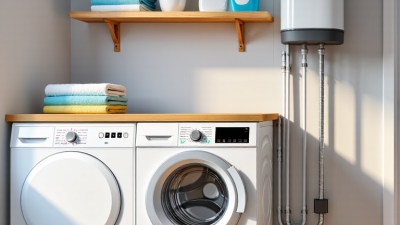
Dryer installation Available in vented and ventless configurations; heat-pump models are typically ventless. Vented electric or gas configurations are common in many markets. Ventless models offer more placement flexibility where exterior ducting is unavailable.
Electrical compatibility Must be selected for the local voltage, frequency, plug type, and circuit requirements. Also requires compatibility with local electrical and, where applicable, gas standards. Voltage and certification requirements differ by region; do not assume a model is globally interchangeable.
Cycle duration Energy-saving and heat-pump cycles may take longer than conventional high-heat cycles. Conventional cycles may be shorter, particularly at higher heat settings. Buyers should balance operating cost, laundry volume, and turnaround-time requirements.
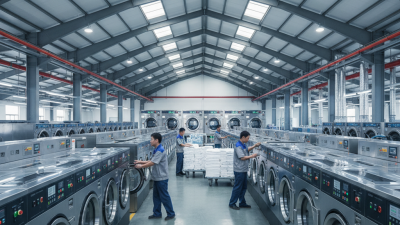
Best use case Households and facilities prioritizing lower energy use, reduced utility costs, and environmental performance. Buyers prioritizing a lower initial purchase price or shorter conventional drying cycles. Total ownership cost should include purchase, installation, energy, water, maintenance, and replacement expenses.
Reference note: ENERGY STAR states that certified clothes dryers use about 20% less energy than conventional models. Efficiency labels, test methods, electrical requirements, and certification programs vary by country or region, so buyers should verify the applicable local standard before purchasing.

Global Energy Labels: Compare EU kWh per 100 Cycles and US Annual Energy Use

Global Energy Labels: Compare EU kWh per 100 Cycles and US Annual Energy Use

When comparing front-load washer and dryer sets across markets, check the measurement behind each energy figure. EU labels express washer energy use in kWh per 100 cycles, based on standardized testing. A lower number can help compare models tested under the same rules. It does not predict every household’s bill.

US labels commonly show estimated annual energy use. This figure reflects a stated number of cycles and test assumptions, which may differ from EU methods. Don’t compare the two numbers directly. Look for each appliance’s label, test basis, and estimated operating cost where available.

Real use varies. A household washing small loads in cool water may use less energy than the label suggests; frequent hot cycles can raise consumption. Dryer use matters, too. Check whether its rating assumes a particular cycle or load size. These details are easy to miss.

Compare similar capacity and features, then consider your own weekly laundry habits. Labels offer a useful starting point, not a perfect forecast.

Buying Criteria: Match Capacity, Voltage, Dimensions, Programs, Noise, and Warranty

Choosing a front load washer and dryer set starts with the laundry you actually handle. A two-person household may manage with a smaller drum, while bulky bedding needs more room. Compare usable capacity, not just exterior size. Measure the installation space, including door swing, hoses, and a few centimeters for airflow. Check the path through hallways and doorways, too. A set that fits the laundry room may not fit through the entrance.

Voltage and frequency must match the home’s electrical supply. Verify each appliance’s requirements on its specification label, and confirm whether separate outlets are needed. Program lists can look impressive, but focus on useful settings such as quick wash, delicate care, and extra rinse. Noise matters in apartments or near bedrooms. Ask for the sound rating, and consider vibration control on hard floors. Review the warranty terms carefully, including coverage for parts, labor, and the motor. Details vary by seller and region; do not assume every component receives equal coverage.

Tips: Measure twice, then compare the figures with the installation guide. Photograph the outlet and water connections before shopping. If possible, inspect a running model in person. Spec sheets help, but they cannot fully convey vibration or cycle sounds. I once underestimated door clearance; an extra measurement would have saved trouble.