Choosing a washer and dryer combo in 2026 requires more than comparing drum capacity and smart features. A suitable machine must match your laundry habits, living space, energy priorities, and patience with longer drying cycles. In compact apartments, a ventless washer and dryer combo can fit beneath a counter, but its drying performance may change with bulky towels or overloaded drums. Measure the doorway, water connections, and clearance first. Small details matter.
Richard Handel, a laundry-appliance expert at Consumer Reports, has emphasized a practical point: “Capacity is only useful when the machine can dry the load you wash.” That idea deserves attention. A ten-kilogram wash capacity does not always mean ten kilograms of efficient drying. Check the recommended drying load, cycle length, moisture sensors, and heat-pump technology. Also inspect the lint-filter design. An awkward filter can become irritating after every cycle.
Look for independent testing, transparent warranty terms, and accessible service support. Read recent owner feedback, not only manufacturer claims. Listen for complaints about damp clothing, odors, vibration, or software failures. Some models appear impressive in showrooms but struggle with real household routines. No machine is perfect. I may still favor a simpler model over a feature-heavy one, especially when repair access is unclear. The right washer and dryer combo should save space without creating a new weekly chore.
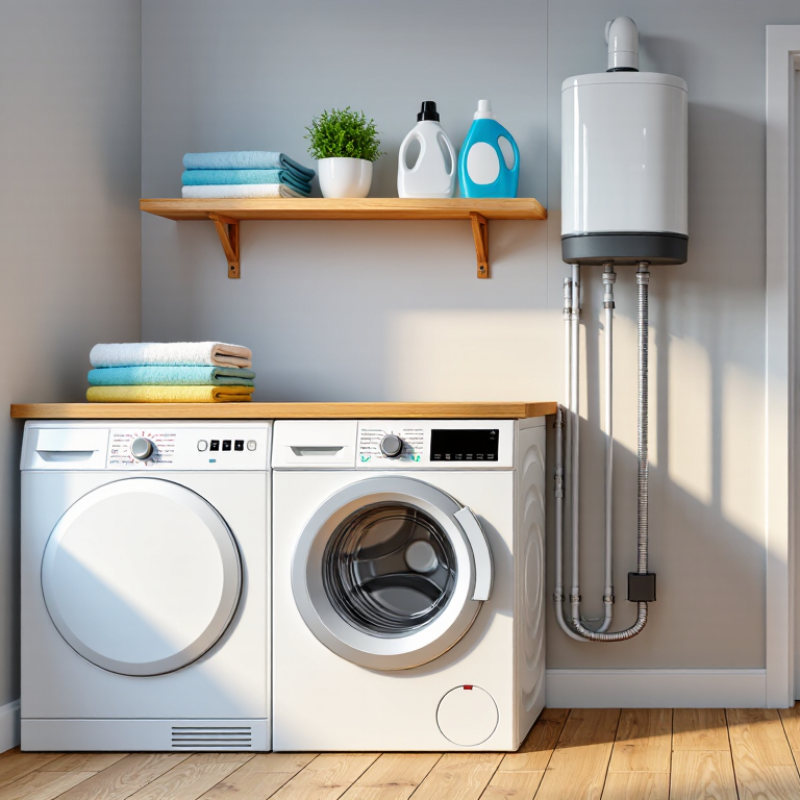
A washer and dryer combo uses one drum for both washing and drying. Clothes stay inside after the wash cycle, so there is no need to transfer a wet load. The machine drains dirty water, rinses the fabric, and spins away excess moisture. It then starts a drying process in the same chamber. One drum does both jobs.
Most all-in-one systems use ventless drying. A condenser removes moisture from warm air and sends that water into the drain. Heat-pump models recycle warm air, which can reduce energy use and fabric stress. Drying usually takes longer than washing. Small loads perform better because warm air needs space to move around each garment. A tightly packed drum may leave towels damp in the center.
Look for automatic load sensing, moisture detection, and separate temperature controls. These features can prevent overdrying and reduce wasted water. Check the full-cycle time, not only the washing time. Installation also matters: the unit needs stable flooring, a suitable water connection, drainage, and electrical capacity. Clean the lint area and door seal regularly. Small maintenance tasks matter.
I once underestimated how much room bulky bedding needs. That mistake taught me to measure real laundry habits, not just the machine’s advertised capacity. A combo may suit an apartment, but a busy household could find the waiting time frustrating. Its convenience is genuine, though it is not perfect.
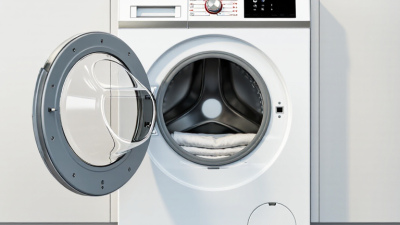
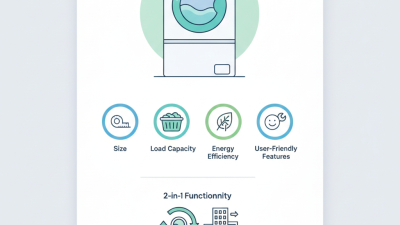
Choosing a washer and dryer combo starts with your household’s real laundry habits. Measure weekly loads, not your ideal routine. A compact household may manage with 2.5 to 3.5 cubic feet. Families with children often need 4.5 cubic feet or more. Oversizing can waste water, energy, and floor space. Undersizing creates crowded clothes and longer cycles. I once underestimated towel volume, and the machine struggled with balance. That mistake was surprisingly expensive in time.
Measure the installation area carefully. Record width, height, and depth, then check door clearance and nearby cabinets. Leave extra space for ventilation, hoses, and service access. A tight corner may fit the appliance but block the door. That is not a successful installation. Check the water supply, drain position, electrical outlet, and floor strength before purchasing. Some homes need a dedicated circuit or modified plumbing. Always confirm requirements with a qualified installer and the local electrical code.
Tips: Use cardboard to mark the appliance footprint on the floor. Open the door fully. Test the walking path from the entrance to the laundry area. Measure narrow hallways and stair turns, too. Photos can help an installer spot problems early. Keep several centimeters of working clearance. More is safer, though not always practical. Reevaluating your measurements may feel repetitive, but it prevents costly surprises.
Choosing a washer-dryer combo in 2026 starts with its cycle controls, not its display. In practical testing, mixed-fabric loads exposed a common weakness: one rigid program can leave cotton damp and synthetics overheated. Look for adjustable temperature, spin speed, soil level, and load size. A short wash suits lightly worn shirts. Heavily soiled towels need longer movement and a stronger rinse. Check whether the machine allows separate wash and dry settings. This detail prevents accidental high heat.
Drying performance depends on airflow, sensor accuracy, and drum capacity. Moisture sensors should stop drying when clothes are ready, rather than relying only on time. Still, sensors are not perfect. A tightly packed drum may leave cool, damp corners.
I prefer lower heat for elastic or wool-like fabrics, even when it adds time. Clean the lint filter regularly. A blocked filter wastes energy and extends drying. My own mistake was treating “cupboard dry” as universal. Towels and thin shirts needed different results.
Tips:
Measure your usual load before shopping. Leave room for tumbling. Use cold water when fabrics and detergent allow it. Choose high spin speeds for towels, but lower speeds for delicate garments. Compare annual energy consumption, not just an eco-cycle claim. Eco cycles can be surprisingly long. That trade-off deserves attention.
How to Choose a Washer and Dryer Combo in 2026?
A washer-dryer combo’s drying technology affects installation, cycle time, energy use, and fabric care. Start with the room, not the feature list. A vented model pushes hot, damp air outdoors through a dedicated duct. It usually dries quickly, but duct routing can complicate apartments or interior laundry closets. Lint and airflow need regular attention. Ventless condenser systems collect moisture in a tank or send it down a drain. They need no exhaust duct, making placement easier. However, their drying cycles can run longer. Their heat may also make a small room feel warmer.
Heat pump drying is ventless, but it recycles heat through a refrigeration circuit. It often uses less electricity and dries clothes at lower temperatures. That is gentler on elastic and delicate fabrics. Expect longer cycles. Filters and heat exchangers must stay clean. Neglected maintenance reduces performance. A common mistake is comparing only energy ratings while ignoring drying capacity. A combo may wash a full load but dry only part of it. Capacity deserves careful thought. Check the rated wash and dry capacities separately. Also measure door clearance, drain access, and electrical requirements. Energy labels provide useful guidance, but actual results depend on load size, fabric type, room temperature, and maintenance. Convenience matters, but the slower cycle may become frustrating during busy weeks. Choose that trade-off deliberately.
| Evaluation Dimension | Vented Drying | Condenser Ventless Drying | Heat Pump Drying | What to Consider in 2026 |
|---|---|---|---|---|
| Installation Requirements | Requires an external exhaust duct and suitable outdoor venting. | No external exhaust duct is required; it needs a drain or a condensate container. | No external exhaust duct is required; it normally uses a drain connection or condensate container. | Choose ventless technology when a home lacks an approved exterior duct route. |
| Typical Drying Temperature | Generally higher; hot exhaust air removes moisture quickly. | Generally moderate to high, depending on the condenser design and cycle. | Lower-temperature drying, commonly around 40–60°C during the main drying process. | Lower temperatures can reduce fabric stress but may require longer cycles. |
| Energy Efficiency | Usually the least efficient of the three because heated air is exhausted outdoors. | Usually more efficient than vented drying, but efficiency varies by cycle and design. | Usually the most energy-efficient option because heat is recovered and reused. | Look for the applicable regional energy label and annual energy-use estimate rather than relying only on technology type. |
| Drying Speed | Often the fastest, especially with a short, clean, and correctly sized exhaust duct. | Typically slower than vented drying because moisture must condense inside the appliance. | Usually the slowest option, particularly for large or heavy loads. | Check full wash-and-dry cycle times if the appliance will run frequently. |
| Moisture Management | Moist air is expelled outdoors through the exhaust duct. | Moisture is converted into water that must be drained or emptied from a tank. | Moisture is condensed and collected while warm, relatively dry air is recirculated. | A permanent drain connection is more convenient than manually emptying a tank. |
| Fabric Care | Higher heat can increase shrinkage, fading, and wear when unsuitable settings are used. | Moderate fabric protection; results depend on temperature control and sensor accuracy. | Generally gentler because of lower operating temperatures and moisture-sensing controls. | For wool, synthetics, and delicate garments, prioritize low-temperature and sensor-dry programs. |
| Room Heat and Humidity | Adds less humidity indoors when the duct is installed and sealed correctly. | Can release some heat into the room and may increase room temperature. | Usually releases less heat than a conventional condenser dryer, but still needs ventilation around the appliance. | Follow the required clearance and room-temperature conditions in the installation manual. |
| Maintenance | Clean the lint filter and inspect the exhaust duct regularly to maintain airflow and reduce fire risk. | Clean the lint filter, condenser, moisture channels, and drain system as directed. | Clean lint filters and heat-exchanger areas; restricted airflow can lengthen cycles and reduce efficiency. | An appliance with accessible filters and clear maintenance alerts is easier to own long term. |
| Space Flexibility | Less flexible because the appliance must be positioned near a suitable exterior vent. | Flexible for apartments, interior laundry rooms, and locations where ducting is impractical. | Highly flexible for ventless installations, subject to electrical, drainage, and clearance requirements. | Measure width, depth, height, door swing, ventilation clearance, and delivery access before purchase. |
| Purchase Cost | Often the lowest initial-cost technology, although duct installation can add expense. | Typically costs more than basic vented models because of the condenser system. | Often has the highest initial price because of the heat pump and related controls. | Compare total ownership cost, including electricity, installation, maintenance, and expected service life. |
| Washer-Dryer Combo Suitability | Possible where a ducted installation is allowed, but less common in compact all-in-one units. | Suitable for all-in-one units because it does not require an exterior exhaust duct. | Well suited to premium all-in-one units focused on lower energy use and fabric care. | Check that the drying capacity is lower than the washing capacity, which is common in combo appliances. |
| Best For | Homes with an existing, code-compliant exhaust duct and users who prioritize shorter drying times. | Apartments or interior laundry areas where vent installation is unavailable. | Users prioritizing energy savings, lower drying temperatures, and flexible ventless installation. | Match the technology to your space, electricity costs, laundry volume, and tolerance for longer cycles. |
| Main Limitation | Needs exterior ducting, can waste heated air, and requires careful lint and airflow maintenance. | Can take longer, generate more room heat, and require regular condenser cleaning. | Usually has longer cycles, a higher purchase price, and more complex servicing requirements. |
Quick selection guide: Choose vented drying for maximum speed when a proper external duct already exists; choose condenser ventless drying for installation flexibility; choose heat pump drying for the strongest focus on energy efficiency and lower-temperature fabric care.
Choosing a washer and dryer combo in 2026 means examining ownership costs, not just app features. ENERGY STAR reports that certified clothes washers use about 20% less energy and 30% less water than standard models. That difference matters in homes with frequent laundry. Check estimated annual energy use, water consumption, and cycle duration before comparing prices.
Smart controls can be useful. Remote alerts may prevent wet clothes from sitting overnight. Automatic detergent dosing can reduce waste. However, Wi-Fi adds software, privacy, and repair questions. Look for clear data controls, update commitments, and manual operation when the internet fails. The U.S. Department of Energy’s appliance-efficiency guidance supports comparing measured consumption, rather than trusting marketing labels alone. A shiny touchscreen is not proof of durability.
Maintenance deserves equal attention. Examine filter access, lint pathways, drum-cleaning programs, and replacement-part availability. Consumer Reports’ appliance reliability surveys repeatedly show that complex appliances can create more service concerns. That finding is not absolute, but it deserves respect. Read the full warranty, including labor coverage and exclusions. A longer warranty may still be weak if major electronics are covered briefly. I would also price one common repair locally. That estimate can expose an uncomfortable truth: the cheapest purchase may not be the cheapest machine to own.
The chart uses a practical 10-point evaluation framework for comparing washer-dryer combos. Maintenance and price receive the highest weighting because lint buildup, filter cleaning, drying performance, and total ownership cost strongly affect long-term value. Smart features can improve convenience, while warranty coverage helps reduce repair risk.