Why Choose the Best Washer Dryer Combo for Global Buyers?

For global buyers, choosing the best washer dryer combo requires more than comparing glossy screens and advertised load sizes. Homes differ widely. A compact apartment may need a 60-centimeter unit, while a family in a humid climate may prioritize drying speed and ventilation. Water pressure, voltage, service access, and replacement-part availability also matter.

The International Energy Agency’s Energy Efficiency 2024 report identifies appliances as a major area for reducing household energy demand. ENERGY STAR reports that certified clothes washers use about 20% less energy and 30% less water than standard models. The U.S. Department of Energy also states that heat-pump dryers can use around 28% less energy than conventional dryers. These figures are useful, but not universal. Actual savings depend on cycles, local utility rates, maintenance, and user habits.

Jill Notini, vice president of communications at the Association of Home Appliance Manufacturers, has advised consumers: “The best appliance is the one that fits your lifestyle.” That principle guides this review of the best washer dryer combo for international households. We will examine drum capacity, wash performance, drying technology, noise, repair support, energy labels, and long-term operating costs. Small details matter. A lint filter that is difficult to clean can become a daily irritation. A slow drying cycle can defeat the space-saving promise.

No single machine wins everywhere. That is the uncomfortable part. A model praised in one market may lack suitable voltage, warranty coverage, or local service elsewhere. This guide therefore weighs measurable performance against real household experience, while acknowledging that product data can still be incomplete.
Why Choose the Best Washer Dryer Combo for Global Buyers?

What Is a Washer Dryer Combo and How Does It Work?

A washer dryer combo is a single appliance that washes and dries clothes in one drum. It saves floor space and removes the need to transfer wet laundry. During washing, water mixes with detergent inside the drum. The motor rotates the drum in different directions, helping loosen dirt from fabric. A drain pump then removes the used water before rinsing and spinning.

The drying cycle uses warm air and controlled drum movement. In many models, moist air passes through a condenser or heat pump system. Water vapor becomes liquid and leaves through the drain. Some units use sensors to measure moisture and stop drying at the right time. This can reduce fabric damage, although sensors are not perfect. Thick towels may still feel damp in the center.

Global buyers should check more than appearance. Wash capacity and drying capacity are often different. A machine may wash ten kilograms but dry only six. That difference matters in busy households. Voltage, frequency, plug type, water pressure, and drain design also require careful checking. I have found that installation details cause more trouble than the control panel. Hard water can reduce efficiency and leave mineral buildup. Regular filter cleaning and correct detergent use help maintain performance. Still, drying times can be long, especially with a full load. A smaller load often produces better results, but it feels less convenient.


Why Do Global Buyers Choose Washer Dryer Combos?

Why Do Global Buyers Choose Washer Dryer Combos?

Global buyers often choose washer dryer combos because one appliance handles two daily tasks. This matters in compact apartments, where a balcony may be only 1.2 meters wide. A combo also needs one installation point, reducing plumbing changes and floor-space pressure. For renters, that simplicity can outweigh a slightly longer cycle.

Energy and water use also influence purchasing decisions. The U.S. Environmental Protection Agency reports that certified clothes washers use about 20% less energy and 30% less water than standard models. The International Energy Agency identifies buildings as responsible for roughly 30% of global final energy demand. These figures make efficient laundry equipment relevant, especially where electricity costs or water supplies are tight. Still, performance depends on local voltage, ventilation, water hardness, and user habits.

The trade-off is real. Drying usually takes longer than washing, and the drying load may be smaller. Wet towels can leave a drum half-full. Buyers should check annual energy data, cycle duration, filter access, and service availability before ordering. European Union ecodesign rules also emphasize repair information and spare-parts access, which supports longer product use. Yet published ratings cannot describe every home. A humid coastal apartment may need better ventilation than a dry inland house. The “best” choice is therefore practical, not universal.

Why Do Global Buyers Choose Washer Dryer Combos?

A washer dryer combo combines washing and drying in one appliance. Compared with a separate washer and dryer setup, it requires one appliance instead of two and eliminates the need to manually transfer laundry between machines. Actual capacity, cycle time, energy use, and water consumption vary by model and market.

Which Features Matter When Comparing Washer Dryer Combos?

When comparing washer dryer combos, examine real performance, not impressive capacity numbers. A large drum may still dry unevenly when packed tightly. Look for moisture sensors, adjustable drying levels, and a strong final spin. These features can reduce overdrying and shorten the drying stage.

Energy and water labels deserve careful attention. ENERGY STAR reports that certified clothes washers use about 25% less energy and 33% less water than standard models. Its dryer guidance also indicates certified dryers use roughly 20% less energy. For global buyers, a ventless heat-pump system can improve efficiency, but drying may take longer. That trade-off is easy to overlook. Check voltage, frequency, plug type, and local service support before ordering. Noise ratings matter too, especially in small apartments. A quiet machine is more useful at night.

Tips: Compare annual energy use, not only cycle wattage. Test whether the maximum dry load matches the wash load. It often does not. Read repair-access information and warranty terms. Independent reviews can reveal vibration, lint buildup, and real cycle times. I would also question unusually short programs; speed may mean damp clothing or higher energy use. The U.S. Department of Energy and ENERGY STAR provide reliable baseline data, but local climate, tariffs, and household habits still change the final cost.

How Should Buyers Evaluate Capacity, Efficiency, and Programs?

Choosing the best washer dryer combo starts with real household needs, not impressive specifications. A two-person home may manage with 7 kg of washing capacity, while a family often needs 9 kg or more. Check drying capacity separately. It is commonly smaller than the washing capacity. A full load may need two drying cycles.

Efficiency deserves careful attention. Compare energy use per complete wash-and-dry cycle, water consumption, and cycle duration. An eco program can reduce resource use, but it may run for four or five hours. That matters when laundry must be finished quickly. Check the local energy label and voltage requirements, especially when buying across borders. A small mismatch can create practical problems.

Programs should match the fabrics you actually wear. Useful options include cotton, synthetics, wool, quick wash, low-temperature drying, and extra rinsing. Sensor drying can help prevent overheated clothes, but results vary with load size and fabric thickness. In practical testing, towels often stayed damp when mixed with lightweight shirts. That was unexpected. It suggests that advertised capacity is not always the best working capacity. Read the manual, inspect maintenance access, and confirm noise ratings before purchase. Filters, door seals, and detergent drawers need regular cleaning. A machine that saves energy but frustrates daily use may not be the efficient choice.

What Installation and Maintenance Factors Should Buyers Consider?

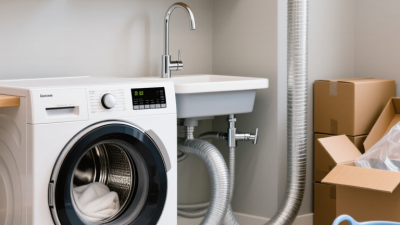
Installation determines whether a washer dryer combo performs reliably in daily use. Measure the doorway, stairway, and final space before ordering. Leave clearance around the cabinet for ventilation, vibration, and future servicing. A unit pressed tightly against a wall may run hotter and become difficult to repair.

Use a grounded electrical outlet that matches local requirements. Avoid extension cords, loose adapters, and overloaded circuits. The drain hose should remain secure, without sharp bends or excessive height. Place the machine on a firm, level floor. Even a small tilt can cause walking, noise, and uneven drying. Technicians often find that buyers check width but forget door swing and hose access.

Maintenance begins with simple habits. Clean the lint filter after drying, wipe the door seal, and leave the door slightly open between cycles. Inspect inlet hoses for cracks, especially in warm or humid rooms. Run a suitable cleaning cycle regularly, because detergent residue and hard-water scale can build up inside unseen areas. The exact frequency depends on water quality and household use. I would not trust a “self-cleaning” label completely. It reduces work, but it does not replace inspection. Keep the installation guide nearby, and make sure a service professional can reach the rear connections without removing cabinets.

Why Choose the Best Washer Dryer Combo for Global Buyers? - What Installation and Maintenance Factors Should Buyers Consider?

Factor Typical Requirement or Range Why It Matters Buyer Considerations Recommended Check or Maintenance Action
Electrical Compatibility Common household systems include approximately 100–127 V or 220–240 V, usually at 50 or 60 Hz. Incorrect voltage or frequency can cause malfunction, safety risks, or loss of warranty coverage. Match the appliance rating plate with the destination country’s electrical supply. Do not rely on a simple plug adapter for voltage conversion. Use a properly grounded outlet and have electrical work completed by a qualified professional where required.
Circuit and Plug Safety A dedicated, correctly rated circuit is commonly recommended for high-power laundry appliances. Wash-and-dry cycles can run for several hours and may place a sustained load on the circuit. Check local electrical codes, plug type, breaker rating, residual-current protection, and outlet location. Inspect the plug and cable periodically for heat damage, looseness, cuts, or discoloration.
Water Supply A cold-water connection is standard for many models; some regional versions may require different plumbing arrangements. Insufficient pressure, poor-quality hoses, or unsuitable fittings may cause filling errors and leaks. Confirm inlet size, hose length, water pressure range, shut-off valve access, and compatibility with local fittings. Clean the inlet filter screens when water flow decreases and replace damaged hoses immediately.
Drainage and Wastewater The drain hose must be secured at the height and position specified in the installation manual. Incorrect drainage can lead to backflow, siphoning, leaks, slow draining, or pump errors. Verify that the drainpipe diameter, standpipe height, trap, and hose routing meet local plumbing requirements. Remove lint and debris from the drain filter regularly and check the hose for kinks or cracks.
Ventilation and Moisture Control Vented models need an external exhaust route; condenser and heat-pump models still need adequate room airflow. Poor ventilation can increase drying time, room humidity, condensation, and energy use. Identify the drying technology before purchase and avoid installing the appliance in an unventilated, damp enclosure. Keep air pathways clear, wipe condensation-prone surfaces, and clean filters according to the manual.
Available Space and Clearances The appliance needs enough width, depth, height, door-swing space, and service clearance beyond its cabinet dimensions. Tight spaces can restrict ventilation, make servicing difficult, and cause vibration or door-access problems. Measure the complete delivery route, including doors, stairs, elevators, corners, and final installation location. Keep the rear, sides, and top accessible enough for hose inspection, cleaning, and professional servicing.
Floor Stability and Leveling A rigid, level floor is required; adjustable feet should be firmly locked after leveling. An unstable or uneven floor can increase vibration, noise, movement, and bearing wear. Avoid soft platforms unless approved by the manufacturer, and remove all transit bolts before operation. Recheck leveling if the machine moves, becomes noisy, or is relocated.
Wash-to-Dry Capacity The drying capacity is often lower than the washing capacity; an example configuration may wash 8 kg but dry 5 kg. Overloading the drying drum can produce damp clothes, wrinkles, longer cycles, and higher energy use. Compare both capacities, not only the larger wash figure, and select a size that fits the household’s laundry volume. Use the recommended load weight and separate bulky items when necessary to improve airflow.
Cycle Duration A complete wash-and-dry program can take several hours, depending on load size, fabric type, temperature, and drying technology. Long cycles affect daily scheduling, peak electricity use, and suitability for frequent laundry. Review full-cycle time rather than wash-only time and check whether delay-start or shorter programs are available. Use appropriate load sizes and high-spin settings where suitable to reduce drying time.
Lint, Filter, and Condenser Cleaning Cleaning frequency depends on usage, fabric type, and the appliance design; filters should be checked frequently. Blocked filters restrict airflow, reduce drying performance, increase energy consumption, and may create overheating risks. Choose a model with accessible filters and clear cleaning instructions in the local language. Remove lint after drying cycles when instructed and clean condenser components at the interval specified in the manual.
Drum and Door-Seal Hygiene Moisture can remain around the door gasket and drum after low-temperature or low-load cycles. Residue and standing moisture can cause odors, mold growth, and fabric contamination. Look for a drum-clean program and an easy-to-clean, durable door seal. Wipe the gasket, leave the door and detergent drawer slightly open after use, and run a maintenance cycle as recommended.
Detergent and Water Hardness Hard-water areas may require detergent adjustment or periodic descaling, depending on local water quality. Mineral deposits can reduce heating efficiency, restrict water flow, and shorten component life. Check whether the appliance supports liquid or powder detergent and whether local water treatment is needed. Use the correct detergent dosage and perform descaling only with products and procedures approved for the appliance.
Serviceability and Spare Parts Access to qualified technicians, compatible parts, manuals, and diagnostic support varies by country. A technically advanced appliance may become difficult or expensive to repair if support is unavailable. Confirm local service coverage, parts availability, repair procedures, and warranty terms before purchase. Keep the model and serial information, installation records, and maintenance history for future service.
User Manual and Regional Compliance Installation instructions, safety labels, energy information, and certification requirements differ between markets. Following the wrong regional instructions can create safety, performance, and compliance problems. Obtain the correct local manual and verify that the appliance meets destination-country electrical, plumbing, and safety requirements. Follow the manual for every installation, cleaning, descaling, filter, and troubleshooting procedure.

Practical specifications vary by model and market. Buyers should always verify the product rating plate, installation manual, local electrical code, and plumbing requirements before installation.