2026 Top Washer Dryer Combo Types for Global Buyers
Choosing the right washer dryer combo in 2026 requires more than comparing drum size and price. Global buyers face different homes, climates, energy standards, water conditions, and installation limits. A compact ventless model may suit a city apartment, while a larger heat pump unit may better serve a busy family. The “best” choice is rarely universal.
This guide examines the leading washer dryer combo types available for international markets. It covers ventless heat pump systems, condenser models, compact all-in-one units, and connected smart appliances. Each type has practical strengths and trade-offs. Heat pump models can reduce drying temperatures and protect delicate fabrics, but their cycles may take longer. Condenser designs offer flexible placement, yet drainage and maintenance require attention.
Real-world use matters. A machine that handles six kilograms of laundry may struggle with bulky towels. A quiet motor sounds impressive, but vibration control also depends on flooring. Important details include cycle duration, drying efficiency, warranty support, voltage compatibility, replacement parts, and local service availability. Manufacturer specifications provide a starting point, not the whole answer. Independent testing and verified buyer feedback can reveal issues that brochures omit.
There is no perfect machine.
Some recommendations may need reconsideration as technology, tariffs, and regional standards change. This overview therefore focuses on practical evidence and transparent comparison. It aims to help distributors, retailers, property developers, and household buyers make informed decisions with fewer surprises. The most reliable purchase balances performance, installation conditions, operating costs, and long-term support.
Washer Dryer Combo Basics and Core Operating Principles
2026 Top Washer Dryer Combo Types for Global Buyers
Washer Dryer Combo Basics and Core Operating Principles
A washer dryer combo completes washing and drying in one cabinet. It uses a rotating drum, controlled water flow, detergent, and mechanical tumbling. During washing, the drum lifts clothing and drops it through warm water. The spin cycle then removes much of the moisture before drying begins.
Most models use ventless drying. A condenser system cools humid air, turns vapor into water, and drains it away. A heat pump system recycles warm air through an evaporator and condenser. It usually consumes less energy, but drying can take longer. Some compact units use electric resistance heating, which often dries faster but may increase power use.
The drying capacity is commonly smaller than the washing capacity. This matters with towels, bedding, and heavy cotton clothing. A full wash load may need partial unloading before drying. Not ideal. Yet it protects airflow and reduces damp patches.
Look for moisture sensors, adjustable temperatures, and separate wash and dry controls. These features help prevent over-drying delicate fabrics. Check voltage, frequency, water pressure, drain requirements, and local electrical rules before purchase. Installation details vary between regions.
In practical use, clean the lint filter and inspect the drain path regularly. A blocked filter can extend drying time and leave clothes warm but wet. That result is easy to misread as a heating failure. One honest limitation remains: combo units save space, but convenience may trade against drying speed.
Capacity, Energy Use, and Performance Across Different Models
Capacity, Energy Use, and Performance Across Different Models
Washer dryer combos suit apartments, shared homes, and buyers with limited utility space. Their capacity needs careful reading. A model may wash 10 kilograms but dry only 6 kilograms. That difference affects daily routines and cycle time. Larger drums handle bedding better, while smaller units may suit one or two people. However, bigger capacity can increase water and electricity use when half-filled.
Energy performance varies by drying technology, program, and local electricity standards. Heat-pump drying generally uses less energy than traditional heated drying, but cycles may take longer. Condenser models can finish faster, yet their consumption may be higher. Check the energy label, annual consumption estimate, water use, and rated noise level. These figures are more useful than attractive marketing claims. Performance also depends on spin speed, sensor accuracy, fabric care, and stable water pressure. A practical mistake is comparing wash capacity alone.
Tips: Measure the doorway and installation space first. Leave ventilation clearance as recommended. Compare full-cycle energy data, not washing-only figures. Test smaller loads before trusting automatic drying sensors. Results can vary. Local voltage and energy labels also differ, so verify regional compatibility before purchase.
Regional Standards, Venting Needs, and Installation Requirements
For global buyers, washer dryer combos must match regional electrical and safety standards. North American homes commonly use 120V, 60Hz circuits, while many European markets use 220–240V, 50Hz supplies. These differences affect heating speed, plug design, circuit protection, and service access. The IEC 60335-2-7 standard addresses washing machine safety, but local certification may still be required. Check the rating plate before shipment.
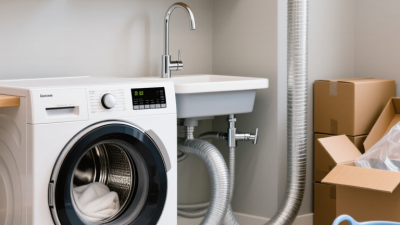
Venting creates another major divide. Ventless condenser and heat-pump combos suit apartments because they avoid exterior ductwork. They still need airflow around the cabinet and a nearby drain. A compact utility room can become humid if installation instructions are ignored. The U.S. Department of Energy reports that clothes drying represents about 5.8% of household electricity use, based on Residential Energy Consumption Survey data. Heat-pump drying can reduce energy demand, although cycles are usually longer. That trade-off matters.
Installation details often decide customer satisfaction. EU energy labels report energy use in kWh per 100 cycles and water consumption per cycle, under Regulation (EU) 2019/2023. Compare those figures carefully; a “low-use” program may take several hours. ENERGY STAR data indicates certified clothes dryers use about 20% less energy than standard models, but certification does not replace local electrical approval. Leave clearance for door movement, filters, and condensate hoses. Small mistakes happen. A perfectly efficient unit can still fail in practice when the drain rises too high or the floor cannot carry vibration.
How Global Buyers Can Match a Combo Type to Their Needs
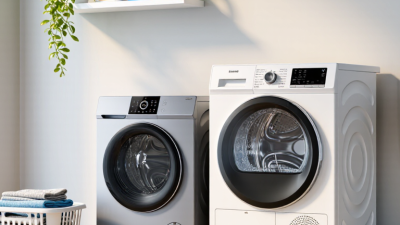
For global buyers, the right washer-dryer combo starts with the room, not the feature list. Ventless heat-pump models suit apartments, sealed rooms, and colder climates because they need no external exhaust. Condenser models offer simpler installation, but drying can take longer. Traditional vented units may work best where ducting already exists. ENERGY STAR reports that certified clothes washers use about 20% less energy and 30% less water than standard models. However, this figure mainly reflects tested U.S. products, so local labels still deserve attention.
Capacity needs careful checking. A combo may wash 10 kilograms but dry only 6 kilograms. That means removing part of the load before drying. Families with frequent bedding should consider a larger drum or separate machines. Singles may value a smaller footprint more than maximum capacity. The U.S. Department of Energy states that heat-pump dryers can use 20–60% less energy than conventional dryers. Yet lower consumption often brings longer cycles. That trade-off is easy to underestimate.
Tips: Measure doorways, drainage, and electrical supply before ordering. Check dry capacity, cycle length, noise, and local repair support. In humid homes, inspect ventilation around the appliance. Do not assume the newest type is automatically best. A practical test load may reveal more than a polished specification sheet.
2026 Top Washer Dryer Combo Types for Global Buyers
How global buyers can match a combo type to their needs
How to read the chart: Heat-pump models generally provide the lowest drying energy demand and are suitable for energy-conscious buyers. Vented and condenser models can offer simpler installation or lower purchase costs, while all-in-one washer-dryers are practical where space is limited. The capacities shown are market-typical reference points; actual specifications vary by market, model, and drying technology.