Finding the right washer dryer combo sale takes more than spotting a red discount tag. A combo can free up floor space, but its wash and drying capacities may differ. Check both figures before comparing prices. Also measure the doorway, closet depth, and clearance for hoses. Small details matter.
ENERGY STAR reports that certified clothes washers use about 20% less energy and 30% less water than standard models. Those figures describe qualifying washers, not every washer dryer combo, so verify the exact model’s certification and product specifications. The U.S. Department of Energy also recommends comparing appliance energy information when estimating operating costs. A cheaper purchase may cost more to run. It happens.
This guide explains how to assess a washer dryer combo sale without relying on the discount alone. Compare the final price, warranty, delivery fees, return terms, cycle options, and annual energy use. For ventless models, check the manufacturer’s installation requirements and drying times; convenience can come with trade-offs. That part is easy to overlook. A useful deal should fit your home, laundry habits, and budget—not just look impressive on a sale page. I would still recheck the model number before buying; listings can be confusing.
Before searching for a washer-dryer combo sale, note what your household actually needs. Count typical weekly loads and consider bulky items, such as towels or a comforter. A compact drum may suit one person but feel frustrating for a busy family. Be specific. Check the wash and dry capacities separately, since they may differ. If laundry runs late, noise and cycle length may matter as much as price. Write down your priorities, then decide which features are essential and which are merely appealing.
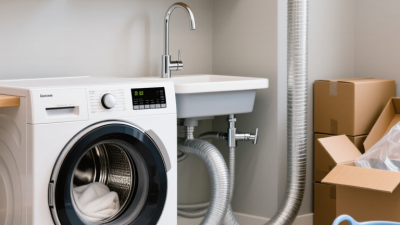
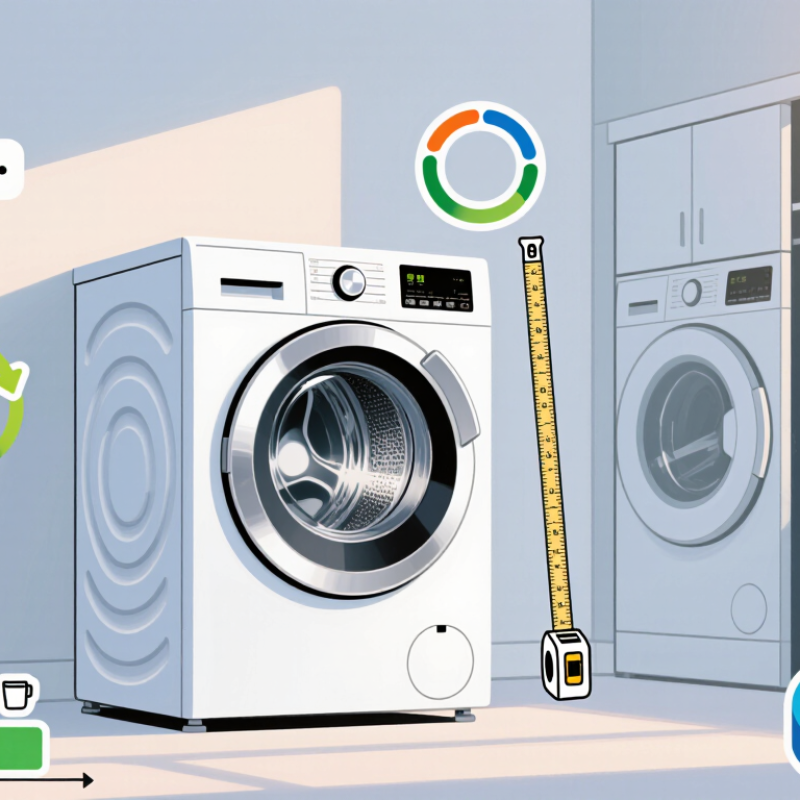
Measure the intended space, including width, depth, height, door clearance, and room for hoses or connections. Measure twice. Leave breathing room. Compare those figures with the unit’s full installation dimensions, not just its listed body size. Also check whether your home’s hookups match the model’s requirements; installation needs can affect the real cost. Set a budget that includes delivery, installation, and any necessary accessories. Then compare sale prices across models with similar capacity and features. A discount is less useful if the machine is too small or expensive to install. It is easy to focus on the sticker price and overlook these details; I would pause and check the measurements again before buying.

A washer dryer combo should fit the laundry you actually do, not an idealized weekly load. Note how many people share the machine and how often you wash. A couple of shirts and towels need less room than a bulky comforter or several days of family clothing. Check the washer capacity and dryer capacity separately; they may differ. Small loads matter. If you often wash bedding, confirm the drum can handle it without packing items tightly.
Tips: Keep a weeklong laundry note before shopping. Record load size, fabric types, and bulky items. Compare those notes with each model’s stated capacities and cycle options. Check both numbers. A sale price is less useful if the dryer capacity forces you to split ordinary loads.
Features matter when they solve a real laundry problem. A quick cycle may help with lightly soiled clothes, while a lower-heat setting can suit delicate fabrics. Check how long wash-and-dry cycles take, and whether the unit needs a vent or special installation. Read the care instructions for items you wash often. It’s easy to overvalue extra settings; I’d rather have clear capacity information and cycles I’ll use than a crowded control panel. Confirm delivery and setup costs before comparing sale prices.
When comparing a washer-dryer combo sale, look past the discount sticker. ENERGY STAR’s Clothes Washers guidance reports that certified models use about 20% less energy and 30% less water than standard models. That matters. Across repeated loads, lower water use can mean less hot water to heat, too. Check the exact model’s certification and its EnergyGuide label rather than relying on a store’s general efficiency claim.
The U.S. Department of Energy’s Residential Clothes Washers test procedure uses standardized cycles to measure energy and water consumption. Compare annual energy use and water use between models with similar capacity; a smaller machine may look efficient but require extra loads. For combos, also check drying information separately. A washer’s rating does not tell the whole story about the electricity used to dry a damp load.
A practical sale check: note the model number, capacity, estimated annual energy use, and water use before comparing prices. Then consider your routine. A household washing muddy sports gear may run more cycles than a two-person household. One detail is easy to miss: compact combos can take longer to finish a full wash-and-dry cycle. ENERGY STAR’s savings are a useful benchmark, not a promise that every home will save the same amount.
When comparing a washer-dryer combo sale, inspect the drying technology before judging the sticker price. ENERGY STAR reports that certified heat-pump dryers use at least 28% less energy than conventional dryers. The U.S. Department of Energy’s Energy Saver guidance estimates potential savings of 20–60% over conventional electric models, depending on design and use.
Numbers need context. Those figures describe dryer performance, not necessarily the energy use of an entire wash-and-dry cycle. Check the appliance’s energy label and compare its stated consumption.
Heat-pump systems reuse warm air, which can reduce wasted heat and usually avoids the need for an exhaust vent. In a small laundry closet, that detail matters. Look closely at rated capacity, kilowatt-hours per cycle, and drying time.
A discounted combo may take longer to dry a full load than a separate dryer. Thick towels can emerge damp if the drum is packed tightly. A trade-off remains. ENERGY STAR certification signals efficiency, not speed, so consider your typical load and schedule before buying.
If possible, compare the same cycle settings across models; otherwise, sale-page figures may not tell the whole story.
How to Find the Best Washer Dryer Combo Sale?
Compare the full delivered cost, not just the sale tag. Add delivery, installation, required hoses, and old-appliance removal. Ask whether stairs or a tight hallway trigger extra fees. A $100 discount can disappear quickly. I’d write every charge beside the advertised price; it’s an easy detail to miss.
Check warranty terms line by line. Separate labor coverage from parts coverage, and look for exclusions involving installation or normal wear. Then read the return policy before opening the packaging. Note the return window, restocking fees, and who pays return freight. The National Retail Federation’s 2024 Retail Returns Landscape report estimated that 16.9% of annual retail sales would be returned. That figure covers retail broadly, not laundry appliances, but it shows why return terms deserve attention.
Compare operating costs, too. ENERGY STAR says certified clothes washers use about 20% less energy and 30% less water than standard models; check whether that guidance applies to the specific combo you’re considering. Save the product listing and written delivery terms. Take photos of the unit and packaging when they arrive. A bargain feels less certain when the return conditions are vague.